The most effective way to confront a rogue, hostile and corrupt IC apparatus is to take away their power. The best way to remove their power is to use their primary weapon, their silo structure, against them.
Turn each silo into an irrelevant echo-chamber by using the White House National Security Council as their replacement. Regardless of what triggers the various IC silo embeds try to pull (CIA, NSA, FBI, DIA, etc.) let them shoot blanks by removing their power over policy and process.
If the IC is isolated from influence, eventually the Legislative Branch, specifically the Senate Select Committee on Intelligence and the House Permanent Select Committee on Intelligence, will realize the ‘Seven Ways from Sunday’ group no longer hold power. The IC becomes a crew stomping their feet while no one pays attention.
This approach would be affected by restructuring the President’s National Security Council (NSC), the National Security Advisor (NSA Mike Waltz) and working with the Office of the Director of National Intelligence (DNI Tulsi Gabbard), in a synergistic process. The IC become simply information functionaries. The Nat Sec Council then validates and defines the information, creates the definitions of national security interest, and initiates the guidance to President Trump, who ultimately triggers any action.
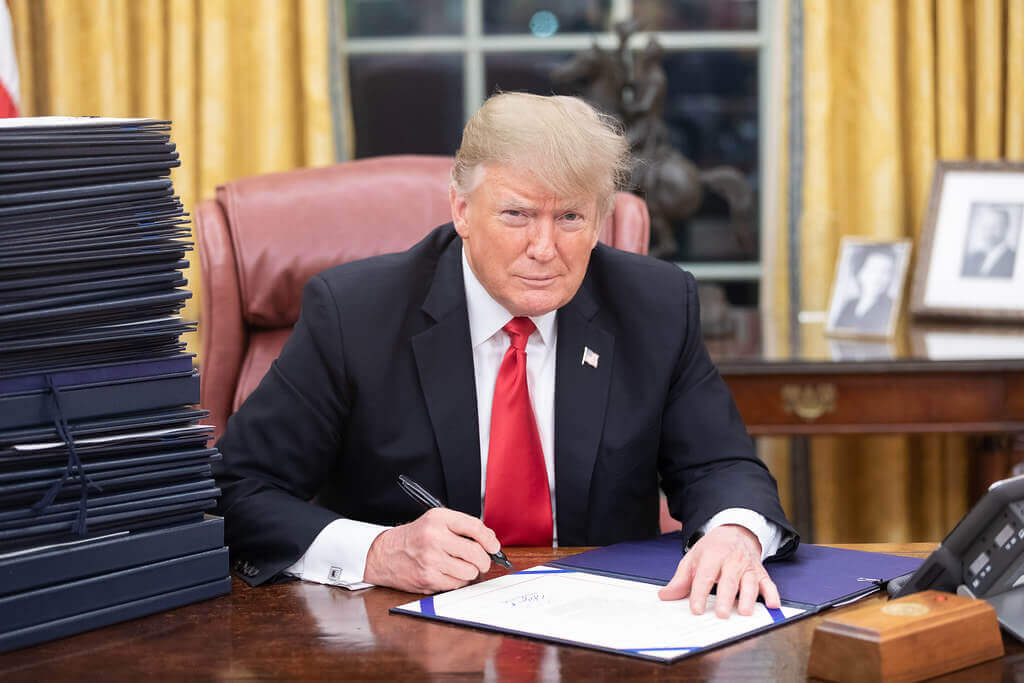
Until yesterday there were only a few subtle signs that this ‘silo isolation’ approach was being accepted as the most effective optimal solution to the problem within the intelligence apparatus. However, yesterday President Trump signed an Executive Order [SEE HERE] doing exactly the type of restructuring that is needed.
The XO is technical and deep in the weeds, but this is the process that has the greatest likelihood of success.
link
Trump’s executive order below in full:
Organization of the National Security Council
and Subcommittees; January 20, 2025
By the authority vested in me as President by the Constitution and the laws of the United States of America, I hereby direct the following:
As President, my highest priority and responsibility is to ensure the safety and security of the United States and its people. The national and homeland security threats facing the United States are complex and rapidly evolving. These issues often do not fit neatly into the categories that single departments and agencies are designed to optimally address, a fact recognized and exploited by our strategic competitors and adversaries in their adoption of whole-of-government and even whole-of-society approaches.
The United States Government’s decision-making structures and processes to address national security challenges must therefore be equally adaptive and comprehensive. They must be able to competently design and execute cooperative and integrated interagency solutions to address these problems, and protect and advance the national interests of the United States. Therefore, to advise and assist me in this endeavor, I hereby direct that my system for national security policy development, decision-making, implementation, and monitoring shall be organized as set forth in this Memorandum. This Memorandum prevails over any prior orders, directives, memoranda, or other Presidential guidance related to the organization of the National Security Council (NSC or Council).
A. The National Security Council and Supporting Staff
1. Functions, Responsibilities, and Chairs.
(a) Functions and Responsibilities. The National Security Act of 1947, as amended (the Act), established the NSC to advise the President with respect to the integration of domestic, foreign, and military policies relating to national security. The Homeland Security Council (HSC) has the distinct purpose of advising the President on matters pertaining to homeland security. The NSC shall convene as the HSC on topic areas agreed to in advance by the Assistant to the President for National Security Affairs (National Security Advisor) and the Assistant to the President for Homeland Security (Homeland Security Advisor). Along with its subordinate committees and staff, the NSC shall be the President’s principal means for coordinating Executive departments and agencies in the development and implementation of national and homeland security policies, strategies, activities, and functions, their integration across departments and agencies within their purview, and for long-term strategic planning.
Continue reading “Trump Restructures the National Security Council and Removes IC Influence” →



 American Buddhist Net