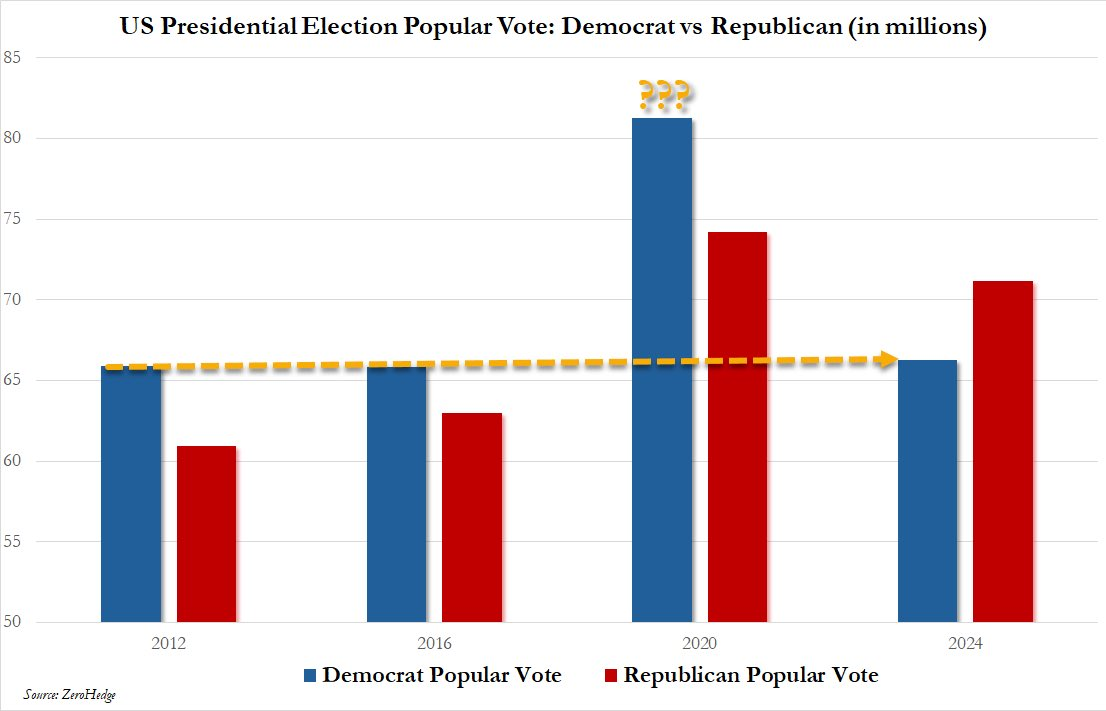
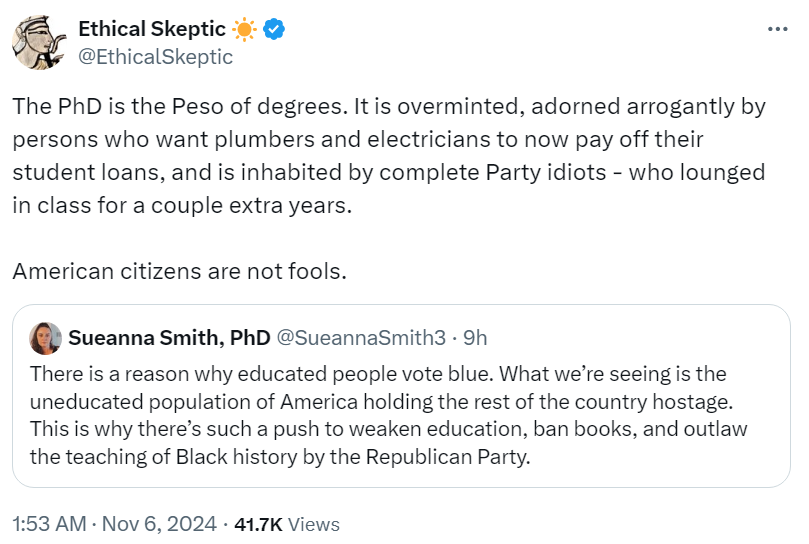
Moreover, the few extra years of schooling largely yield group-think, which is abundantly evident in medicine, academia, much of science, all of MSM, etc. Rural, formally uneducated people have not spent their lives not learning. They know tons of stuff and their human instincts are generally intact, unlike smarmy academics who can’t see the forest for the trees, as above. ABN
A new study on speech comprehension shows that humans respond to the “contextual semantic content of each word in a relatively time-locked fashion.”
These findings demonstrate that, when successfully comprehending natural speech, the human brain responds to the contextual semantic content of each word in a relatively time-locked fashion. (Source)
This process is roughly illustrated here:
While I do not doubt these findings for simple speech in simple contexts, I do wonder what the results would be for speech in psychologically complex contexts, whether that speech is simple or not.
I wonder this because I am certain that in almost all psychologically complex contexts (those rich with subjectivity, emotion, idiosyncratic memory or association, etc.) the “contextual semantic content of each word” will necessarily be different, often very different for each speaker.
Psychologically rich interpersonal speech is almost always fraught with contextual differences that can be very large. Sometimes participants know these differences exist and sometimes they don’t. It is very common for speakers to make major mistakes in this area, the most important area of speech for human psychological well-being.
It seems possible that EEG with increased sensitivity might one day be able to detect “context diversion” between speakers, but even if complex emotional information is also included, people will still have to talk about what is diverging from what.
My comments are not meant to detract from the very interesting findings posted above. I make them because these findings illustrate how inherently problematic real-time mutual comprehension of the “contextual semantic content” of all spoken words actually is.
FIML practice is the only way I know of today to find profound real-time mutual comprehension of complex interpersonal speech.
For a company with a reputation for being conservative, it comes as quite a surprise that Honda has designed one of the most radical new engine designs in recent history with a liquid-cooled 75° V3 equipped with an electric compressor.
Unlike a turbocharger, which uses exhaust gas, or a supercharger which is typically spun with a pulley connected to the engine, the V3 uses electricity to spin the impeller. This allows the engine to compress the air intake independently from the engine speed, providing boost even at low rpm, where superchargers need faster speeds to provide the necessary compression, and without the lag typical of a turbo. Honda’s electrical compressor also does not require an intercooler.
At the moment, Honda has remained cagey on more specific details. We don’t know the displacement of the engine or any performance figures, but Honda says it intended to “apply the new V3 engine to larger displacement models in the future,” with plans toward mass production.
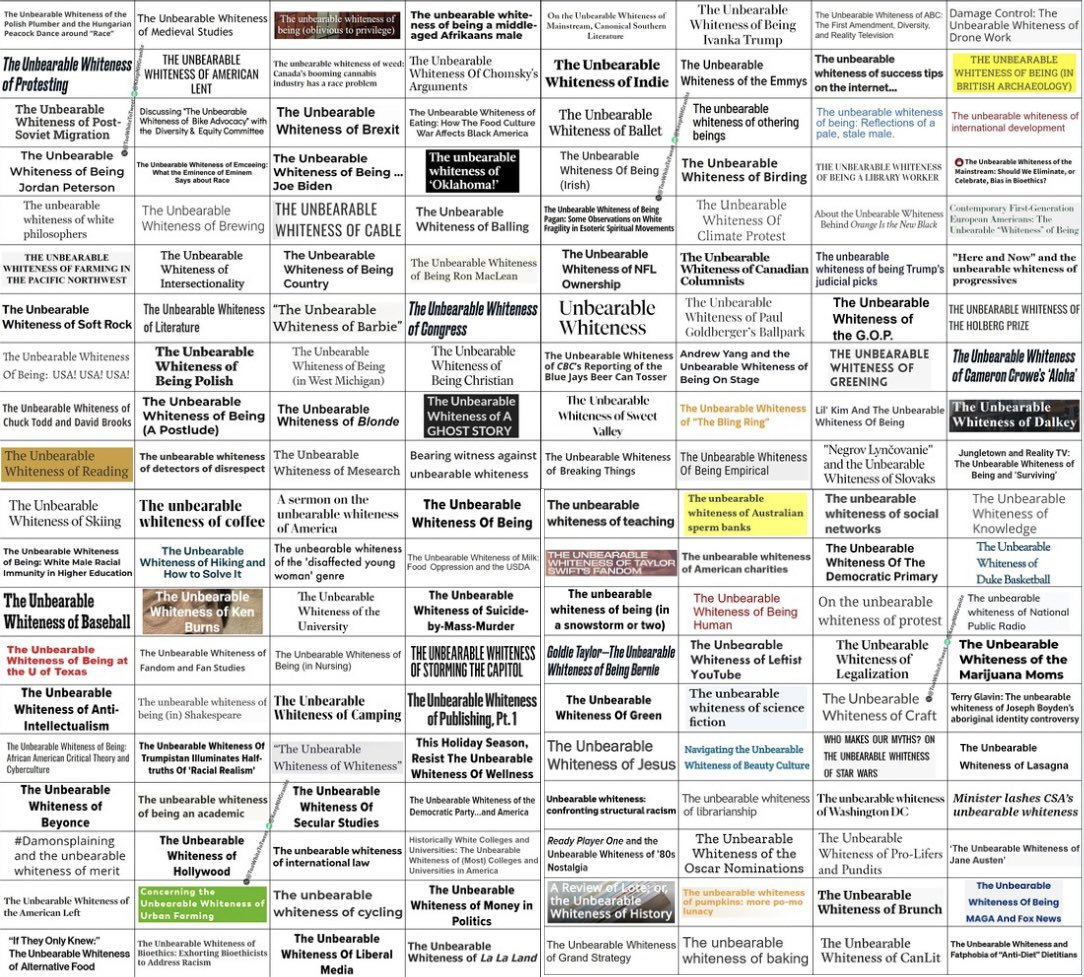
This kind of vocabulary and concept seeding over many years affects all races. It becomes an earworm inducing trance states of shame and hostility. It serves the purpose of its perpetrators, who are striving for world domination. ABN






 American Buddhist Net