Some oddities of communicating with doctors

One aspect of seeing a doctor is you will remember them (often vividly) and whatever rapport you thought had been established, but when you next see them (assuming weeks or months have passed), they almost certainly will not share your memories of whatever rapport you may have thought had been established, if they remember you at all. This can make them seem cold or unfocused or unstable.

From their POV, many doctors handle this by being kind of plastic friendly at best. For patients, it’s weird because there are few other communications as important as with your doctor and yet there is almost no one else you know who is as disconnected from normal relationship dynamics with you as your doctor. So a doctor’s mood when you see them probably has next to nothing to do with you.

ABN
Nicotine is GOOD for you — Dr Ardis

It is easy to grow your own tobacco. Cure it by hanging mature plants in a shed or somewhere they won’t be disturbed. You can use it as chew as soon as it is dry, but the flavor improves with age. Store it in mason jars when they have cured to a point you like. It will keep for many years and only improve. I use a very small amount, about 1 sq mm, for chew a few times a day. I add nothing to it, just a plain small piece of a leaf. Nicorette tablets are also good. One 2mg tablet can be used and reused a few times during the day. You do not need very much to get the benefit. ABN

Active ingredient in cannabis protects aging brain cells

Salk researchers find cannabinol preserves mitochondrial function and prevents oxidative damage to cells

LA JOLLA—Decades of research on medical cannabis has focused on the compounds THC and CBD in clinical applications. But less is known about the therapeutic properties of cannabinol (CBN). Now, a new study by Salk scientists shows how CBN can protect nerve cells from oxidative damage, a major pathway to cell death. The findings, published online January 6, 2022, in the journal Free Radical Biology and Medicine, suggest CBN has the potential for treating age-related neurodegenerative diseases, like Alzheimer’s.

“We’ve found that cannabinol protects neurons from oxidative stress and cell death, two of the major contributors to Alzheimer’s,” says senior author Pamela Maher, a research professor and head of Salk’s Cellular Neurobiology Laboratory. “This discovery could one day lead to the development of new therapeutics for treating this disease and other neurodegenerative disorders, like Parkinson’s disease.”

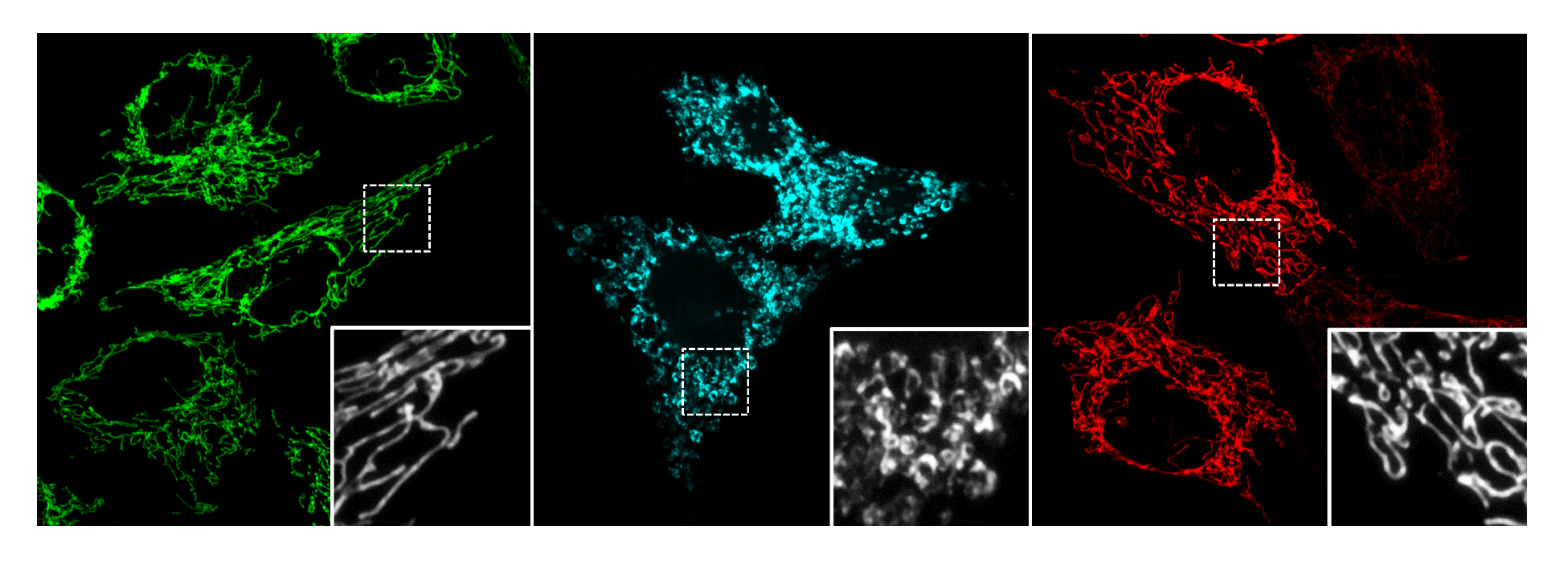
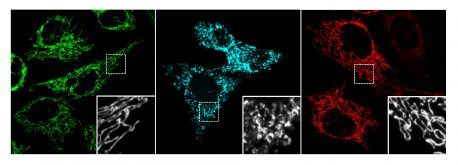
Healthy mitochondria (green); mitochondria showing the effects of oxidative stress (blue); and oxidative stress with CBN (red). Insets show higher magnification of the structure of the mitochondria

Healthy mitochondria (green); mitochondria showing the effects of oxidative stress (blue); and oxidative stress with CBN (red). Insets show higher magnification of the structure of the mitochondria.
Click here for a high-resolution image.
Credit: Salk Institute

Derived from the cannabis plant, CBN is molecularly similar to THC, but is not psychoactive. It’s also less heavily regulated by the FDA. Previous research by Maher’s lab found that CBN had neuroprotective properties, but it wasn’t clear how it worked. Now, this new study explains the mechanism through which CBN protects brain cells from damage and death.

Maher’s team looked at the process of oxytosis, also called ferroptosis, which is thought to occur in the aging brain. Growing evidence suggests that oxytosis may be a cause of Alzheimer’s disease. Oxytosis can be triggered by the gradual loss of an antioxidant called glutathione, causing neural cell damage and death via lipid oxidation. In the study, the scientists treated nerve cells with CBN, and then introduced an agent to stimulate oxidative damage.

They further found that the CBN worked by protecting mitochondria, the cell’s powerhouses, within the neurons. In damaged cells, oxidation caused the mitochondria to curl up like donuts—a change that’s also been seen in aging cells taken from the brains of people with Alzheimer’s disease. Treating cells with CBN prevented the mitochondria from curling up and kept them functioning well.

link

World Health Organization declares ultra-deadly monkeypox strain a public health emergency of international concern

The World Health Organization today declared an ultra-deadly strain of monkeypox a global public health emergency.

Officials said that an outbreak of the virus in the Democratic Republic of the Congo and its neighboring countries posed ‘international concern’ – the WHO’s highest level of alert.

The hope is to speed up research and accumulate more funding and public health measures to contain the virus, which is more infectious and several times deadlier than the one that caused the global outbreak in 2022.

No cases of the new strain have been reported in the US or the UK yet, but the American CDC is urging doctors to be extra vigilant for symptoms like skin rashes and lesions.

The virus is still spreading primarily through sex and is primarily affecting gay and bisexual men.

link

Melatonin: A potential nighttime guardian against Alzheimer’s

Abstract

In the context of the escalating global health challenge posed by Alzheimer’s disease (AD), this comprehensive review considers the potential of melatonin in both preventive and therapeutic capacities. As a naturally occurring hormone and robust antioxidant, accumulating evidence suggests melatonin is a compelling candidate to consider in the context of AD-related pathologies. The review considers several mechanisms, including potential effects on amyloid-beta and pathologic tau burden, antioxidant defense, immune modulation, and regulation of circadian rhythms. Despite its promise, several gaps need to be addressed prior to clinical translation. These include conducting additional randomized clinical trials in patients with or at risk for AD dementia, determining optimal dosage and timing, and further determining potential side effects, particularly of long-term use. This review consolidates existing knowledge, identifies gaps, and suggests directions for future research to better understand the potential of melatonin for neuroprotection and disease mitigation within the landscape of AD.

link

The Great Blood Pressure Scam

Story at a Glance:

•Elevated blood pressure is the most common chronic disease, and as the decades go by more and more people are declared hypertensive.

•Remarkably, at least 25% of all hypertension diagnoses are due to inaccurate measurements, and there is still no known reason for why over 90% of people are hypertensive.

•Aggressively treating everyone’s blood pressure is justified under the belief it prevents cardiovascular disease. However, in most cases it has never been proven to reduce heart disease—rather it only leads to a small reduction in strokes (hence why these medications were rebranded to treat “cardiovascular disease”).

•Many of the misunderstandings with heart disease arise from the fact that impaired circulation or damage to the blood vessels will cause blood pressure to go up and their correlation being misinterpreted to instead believe high blood pressure causes cardiovascular disease.

•In this article, we will discuss the actual causes of high blood pressure, the dangers of commonly used blood pressure medications, the safest pharmaceutical and natural ways to reduce blood pressure directly, and our preferred methods for treating the underlying causes of high blood pressure.

link

‘The only reasonable, 100% effective and safe protection against another criminal plandemic is the immediate smashing of the WHO into a thousand pieces’ — Dr Thomas Binder

source

Public opinion is the best weapon we have against anti-science and bad vaccines. In this respect, applied medical science resembles politics. We do not all have to agree on everything, but the majority of us should be able to agree that we do not want to surrender national sovereignty to the WHO, UN, or WEF. And we do not want mandated injection therapies, especially ones based on wholesale lies. ABN

COVID surges to ‘very high’ or ‘high’ levels in dozens of states, including multiple in New England, CDC says

A critical tool for monitoring the level of COVID circulation shows levels of the virus have surged to “very high” or “high” levels in more than half the states across the country, including three in New England, according to the CDC.

Wastewater surveillance data compiled by the Centers for Disease Control and Prevention show the prevalence of COVID has hit “very high” levels in seven states, including California, Texas, and Florida.

Another 19 states are registering “high” levels, including New Hampshire, Maine, and Connecticut.

link