Do your best. Speak the truth.

Abstract
The coronavirus pandemic was declared by the World Health Organization (WHO) in 2020, and a global genetic vaccination program has been rapidly implemented as a fundamental solution. However, many countries around the world have reported that so-called genetic vaccines, such as those using modified mRNA encoding the spike protein and lipid nanoparticles as the drug delivery system, have resulted in post-vaccination thrombosis and subsequent cardiovascular damage, as well as a wide variety of diseases involving all organs and systems, including the nervous system. In this article, based on these circumstances and the volume of evidence that has recently come to light, we call the attention of medical professionals to the various risks associated with blood transfusions using blood products derived from people who have suffered from long COVID and from genetic vaccine recipients, including those who have received mRNA vaccines, and we make proposals regarding specific tests, testing methods, and regulations to deal with these risks. We expect that this proposal will serve as a basis for discussion on how to address post-vaccination syndrome and its consequences following these genetic vaccination programs.
link
Providing transgendered children “puberty blockers” is currently one of the most controversial areas in medicine (e.g., liberal colleagues of mine have publicly protested Republican state governments banning the practice).
What I find remarkable about this entire debate is how little knowledge exists about the safety of these drugs. For instance, when I’ve asked my liberal colleagues if they are aware of the dangers of these drugs, they genuinely share that they were not aware they had any clinically significant side effects.
Given that the hormonal blockers are amongst the most dangerous drugs on the market, I feel it is important to review all the people who have been harmed by them, and the scandalous 40 year saga that has allowed them to be unjustifiably used for a wide range of medical conditions.
link
A clinical trial’s encouraging results won US Food and Drug Administration breakthrough therapy status for an LSD formulation to treat generalized anxiety disorder, Mind Medicine Inc. announced Thursday. The biopharmaceutical company is developing the drug.
“A breakthrough designation is a recognition that a drug has demonstrated evidence of clinical efficacy in meeting an unmet medical need with morbidity and mortality associated with it,” said Dr. Daniel Karlin, assistant professor of psychiatry at Tufts University School of Medicine in Boston and chief medical officer for MindMed.
link
…Researchers followed 12 healthy volunteers taking part in a seven-day water-only fast. The volunteers were monitored closely on a daily basis to record changes in the levels of around 3,000 proteins in their blood before, during, and after the fast. By identifying which proteins are involved in the body’s response, the researchers could then predict potential health outcomes of prolonged fasting by integrating genetic information from large-scale studies.
As expected, the researchers observed the body switching energy sources – from glucose to fat stored in the body – within the first two or three days of fasting. The volunteers lost an average of 5.7 kg of both fat mass and lean mass. After three days of eating after fasting, the weight stayed off – the loss of lean was almost completely reversed, but the fat mass stayed off.
For the first time, the researchers observed the body undergoing distinct changes in protein levels after about three days of fasting – indicating a whole-body response to complete calorie restriction. Overall, one in three of the proteins measured changed significantly during fasting across all major organs. These changes were consistent across the volunteers, but there were signatures distinctive to fasting that went beyond weight loss, such as changes in proteins that make up the supportive structure for neurons in the brain.
link


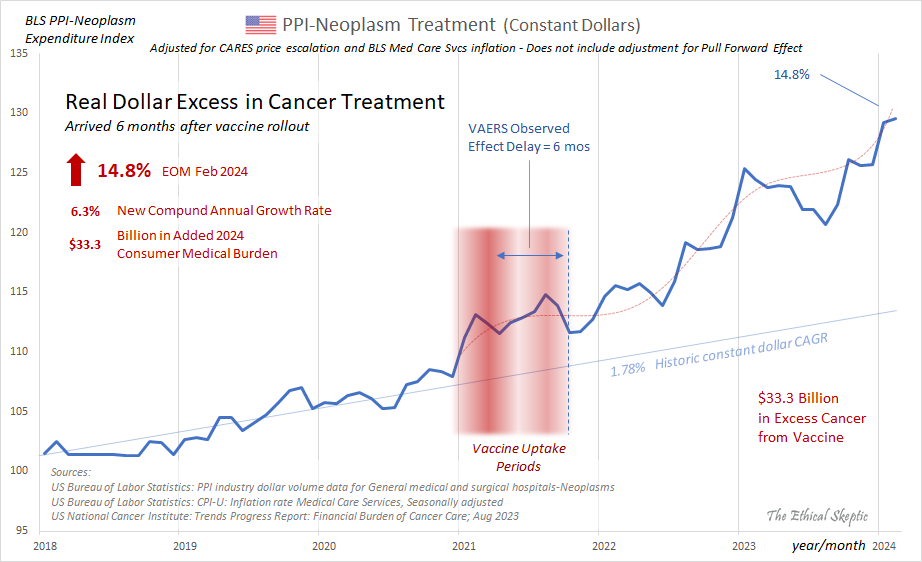
click image for larger
Abstract
Our understanding of COVID-19 vaccinations and their impact on health and mortality has evolved substantially since the first vaccine rollouts. Published reports from the original randomized phase 3 trials concluded that the COVID-19 mRNA vaccines could greatly reduce COVID-19 symptoms. In the interim, problems with the methods, execution, and reporting of these pivotal trials have emerged. Re-analysis of the Pfizer trial data identified statistically significant increases in serious adverse events (SAEs) in the vaccine group. Numerous SAEs were identified following the Emergency Use Authorization (EUA), including death, cancer, cardiac events, and various autoimmune, hematological, reproductive, and neurological disorders. Furthermore, these products never underwent adequate safety and toxicological testing in accordance with previously established scientific standards. Among the other major topics addressed in this narrative review are the published analyses of serious harms to humans, quality control issues and process-related impurities, mechanisms underlying adverse events (AEs), the immunologic basis for vaccine inefficacy, and concerning mortality trends based on the registrational trial data. The risk-benefit imbalance substantiated by the evidence to date contraindicates further booster injections and suggests that, at a minimum, the mRNA injections should be removed from the childhood immunization program until proper safety and toxicological studies are conducted. Federal agency approval of the COVID-19 mRNA vaccines on a blanket-coverage population-wide basis had no support from an honest assessment of all relevant registrational data and commensurate consideration of risks versus benefits. Given the extensive, well-documented SAEs and unacceptably high harm-to-reward ratio, we urge governments to endorse a global moratorium on the modified mRNA products until all relevant questions pertaining to causality, residual DNA, and aberrant protein production are answered.
link to full paper
RAMAT GAN, Israel — Scientists have successfully grown working “testicles in a dish” that could one day help solve male infertility, which affects one in 12 men worldwide. Researchers at Bar-Ilan University in Israel produced tiny organoids – artificial miniature organs – that closely mimic the structure and function of natural testicles. These lab-grown organs, cultured from cells sampled from mouse testes, formed small tubules that parallel the sperm-producing seminiferous tubules found in real testicles.
“Artificial testicles are a promising model for basic research on testicle development and function, which can be translated into therapeutic applications for disorders of sexual development and infertility,” says lead researcher Dr. Nitzan Gonen, of the BIU Goodman Faculty of Life Sciences and the Institute of Nanotechnology and Advanced Materials, in a statement.
link
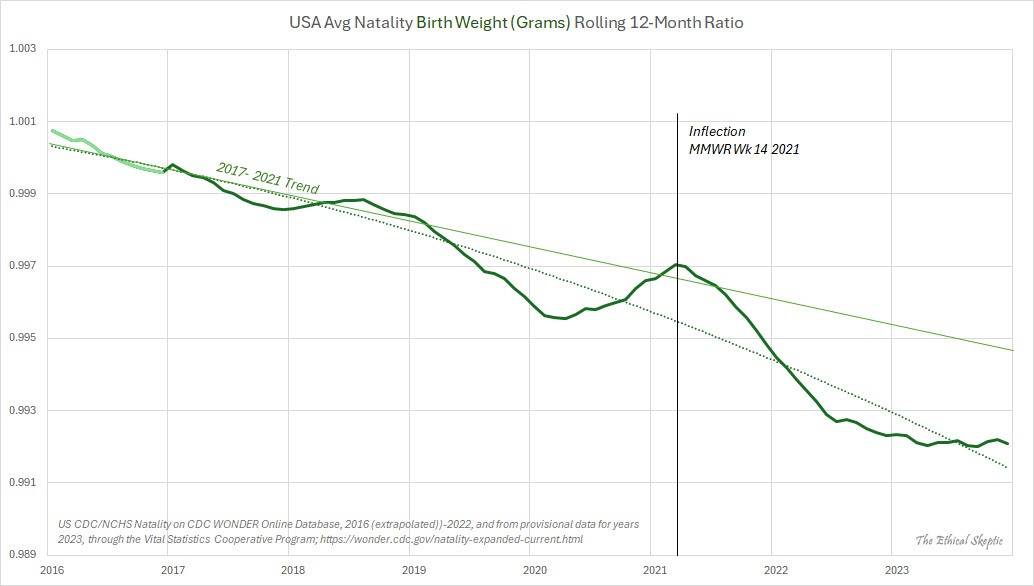
Yet another parameter of assault on Western populations in particular. ABN
 American Buddhist Net