The fructose survival hypothesis as a mechanism for unifying the various obesity hypotheses

Abstract

The pathogenesis of obesity remains contested. Although genetics is important, the rapid rise in obesity with Western culture and diet suggests an environmental component. Today, some of the major hypotheses for obesity include the energy balance hypothesis, the carbohydrate-insulin model, the protein-leverage hypothesis, and the seed oil hypothesis. Each hypothesis has its own support, creating controversy over their respective roles in driving obesity. Here we propose that all hypotheses are largely correct and can be unified by another dietary hypothesis, the fructose survival hypothesis. Fructose is unique in resetting ATP levels to a lower level in the cell as a consequence of suppressing mitochondrial function, while blocking the replacement of ATP from fat. The low intracellular ATP levels result in carbohydrate-dependent hunger, impaired satiety (leptin resistance), and metabolic effects that result in the increased intake of energy-dense fats. This hypothesis emphasizes the unique role of carbohydrates in stimulating intake while fat provides the main source of energy. Thus, obesity is a disorder of energy metabolism, in which there is low usable energy (ATP) in the setting of elevated total energy. This leads to metabolic effects independent of excess energy while the excess energy drives weight gain.
source

First-ever gene therapy trial to cure form of deafness begins

Professor Manohar Bance, an ear surgeon at Cambridge University Hospitals NHS Foundation Trust who is leading the trial in the UK, said a decision by the NHS last year to start funding genetic testing for hearing loss had been crucial in “changing the whole landscape” for the development of gene therapies.

Gene therapies now held remarkable promise to restore hearing, he suggested. “It’s the dawn of a new era,” he added.

Auditory neuropathy can be due to a variation in a single gene—known as the OTOF gene—which produces a protein called otoferlin. This protein typically allows the inner hair cells in the ear to communicate with the hearing nerve.

Mutations in the OTOF gene can be identified by genetic testing. However, Bance said it was a condition often missed when newborn babies were screened for potential hearing problems. “This is one of the few conditions where everything works except the transmission between the hair cells and the nerve. So everything else looks fine when you test it, but they can’t hear anything. So these poor kids’ [difficulties] end up being missed,” Bance added.

The new gene therapy aims to deliver a working copy of the faulty OTOF gene using a modified, non-pathogenic virus. It will be delivered via an injection into the cochlea under general anesthetic.

source

FENBENDAZOLE and CANCER

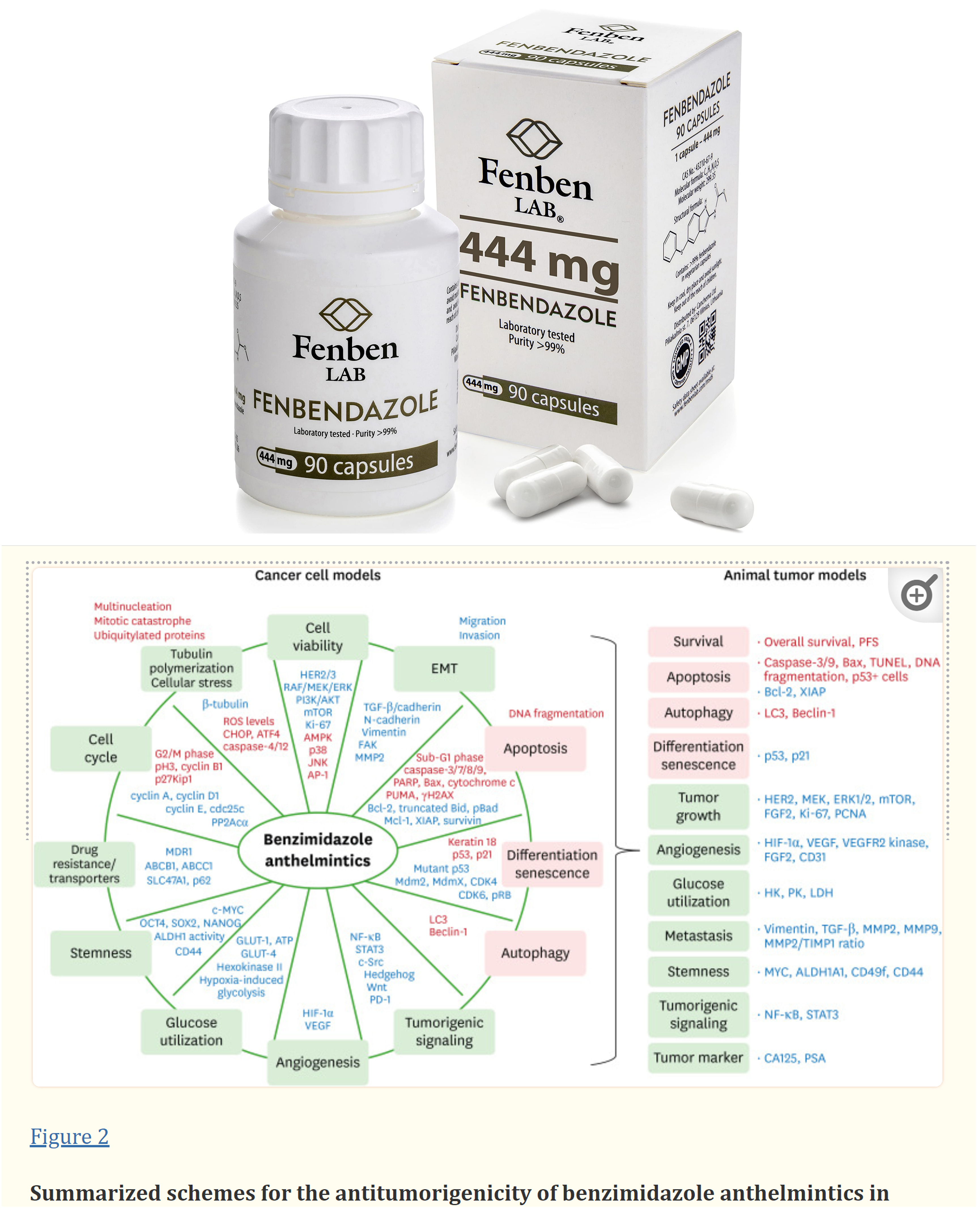
FENBENDAZOLE and CANCER – at least 12 Anti-Cancer mechanisms of action. Not approved by FDA. Cheap. Safe. Kills aggressive cancers. Why no Clinical Trials?

I review 9 research papers proving anti-cancer effects of Fenbendazole.

Benzimidazole drugs (including Fenbendazole) have widely been used as anti-helminth agents in both human and/or livestock since the 1960s

Due to their low cost and high efficacy, benzimidazole anthelmintics have been used throughout the world

source