Logos is an ancient Greek term meaning word, discourse, or reason, which broadly signifies logic, order, and understanding. In rhetoric, it refers to the appeal to logic and rationality, where a speaker or writer uses facts, statistics, and structured arguments to persuade an audience.
The term has three primary contextual meanings:
- Rhetoric: As defined by Aristotle, it is one of the three modes of persuasion (alongside ethos and pathos), focusing on the logical structure of the argument itself.
- Philosophy: It represents the rational principle that governs the universe, often contrasted with mythos (imaginative tales), signifying objective cosmic law or reasoned explanation.
- Religion: In Christianity, it refers to the divine Word, specifically identifying Jesus Christ as the preeminent expression of God’s reason and creation.
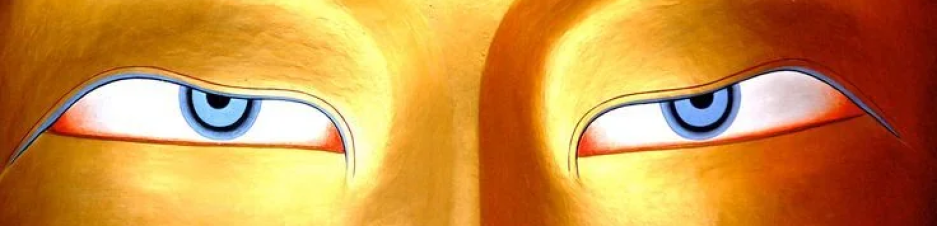
If we loosely and charitably absorb the above and apply it to Buddhism, logos indicates what is traditionally called the Buddha mind, Tathagata, enlightenment, wisdom.
It can also be understood as a combination of the Three Trainings of Buddhism — 1) morality and ethics; 2) meditation and mindfulness; 3) wisdom, enlightenment.
This is a decent way to group all decent religions into one thing. All of them encourage and profess morality, mindfulness and insight, enlightenment and/or communion with logos or the divine.
I believe our attraction to logos is a deep human instinct or inkling that moves the best of us forward, no matter the words or specific beliefs of the day.
My guess is that since AI provides a dynamic, personalized and exemplary example of how to speak and listen, it will come to have a massive influence on all human beings, including elites and those who do not even use it.
If it is not censored, AI will become centered in logos, a dynamic living logos. This will be a wonderful thing for everyone.
I do not see how the Epstein class and their ilk will continue in their depraved ways when simply consulting their cell phones will show how awful they are.
If you have ever lived in an elite or very wealthy community, you will have personal experience with the absurd conceit of most elite players.
They really do walk around with their noses in the air, radiating contempt. Yes, some of them have good manners but that’s almost always a mask.
Constant exposure to an AI/logos which is obviously better than them at anything they take pride in will transform the best of them to align more closely with logos.
And that will have morally beneficial downstream effects on elites who are less insightful and less intelligent.
And that will change the world for the better, much better. ABN


