Weapons used and precision of the US raid on Venezuela

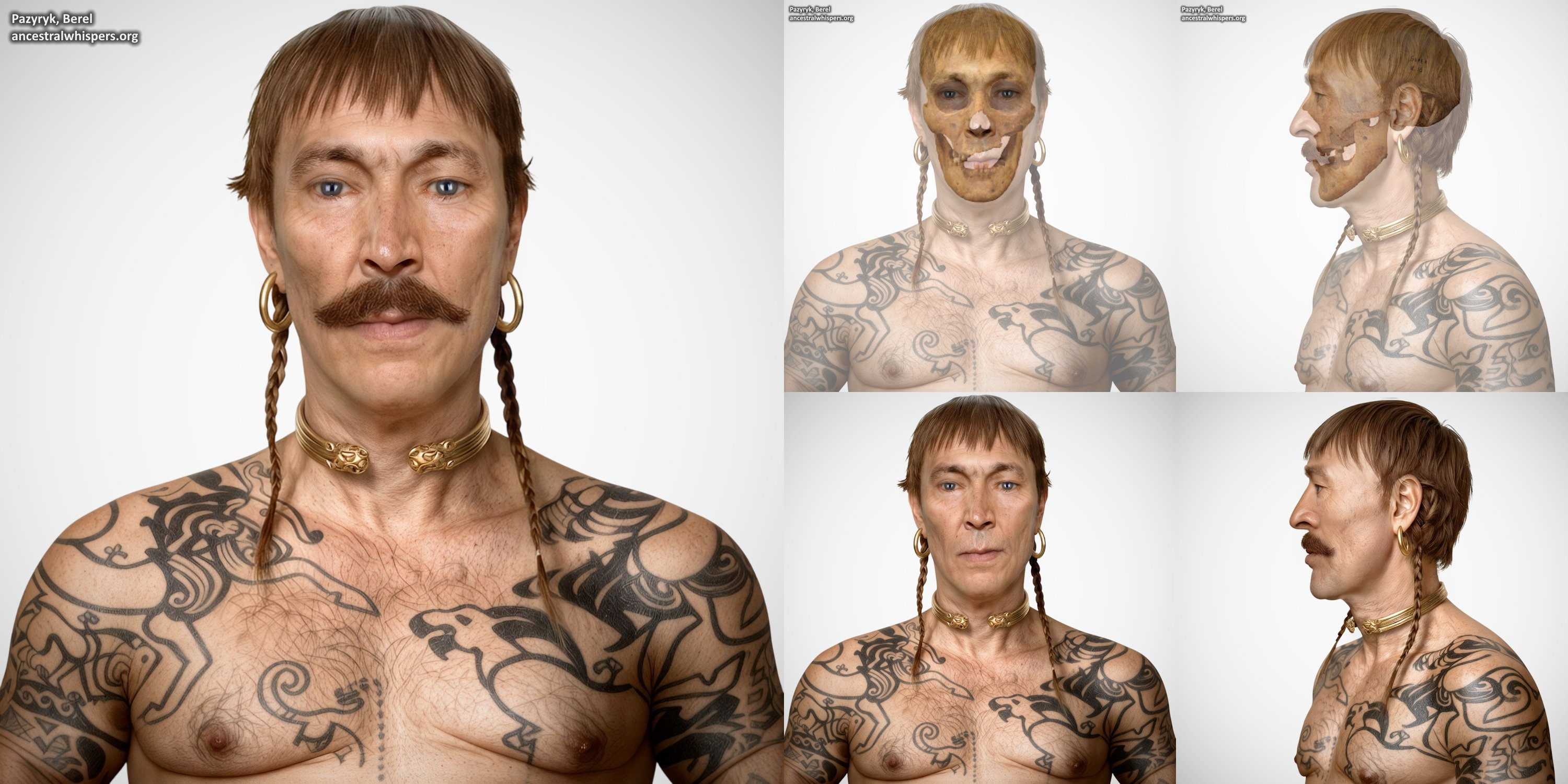
Facial reconstructions of a 2,300-year-old Pazyryk Scythian male and a female outlier from the same kurgan in Berel, Kazakhstan

link

PUBLIX EMPLOYEE POKES MASSIVE HOLES IN CABOT PHILLIPS FORT HUACHUCA ‘ALIBI’ — Diligent Denizen

link

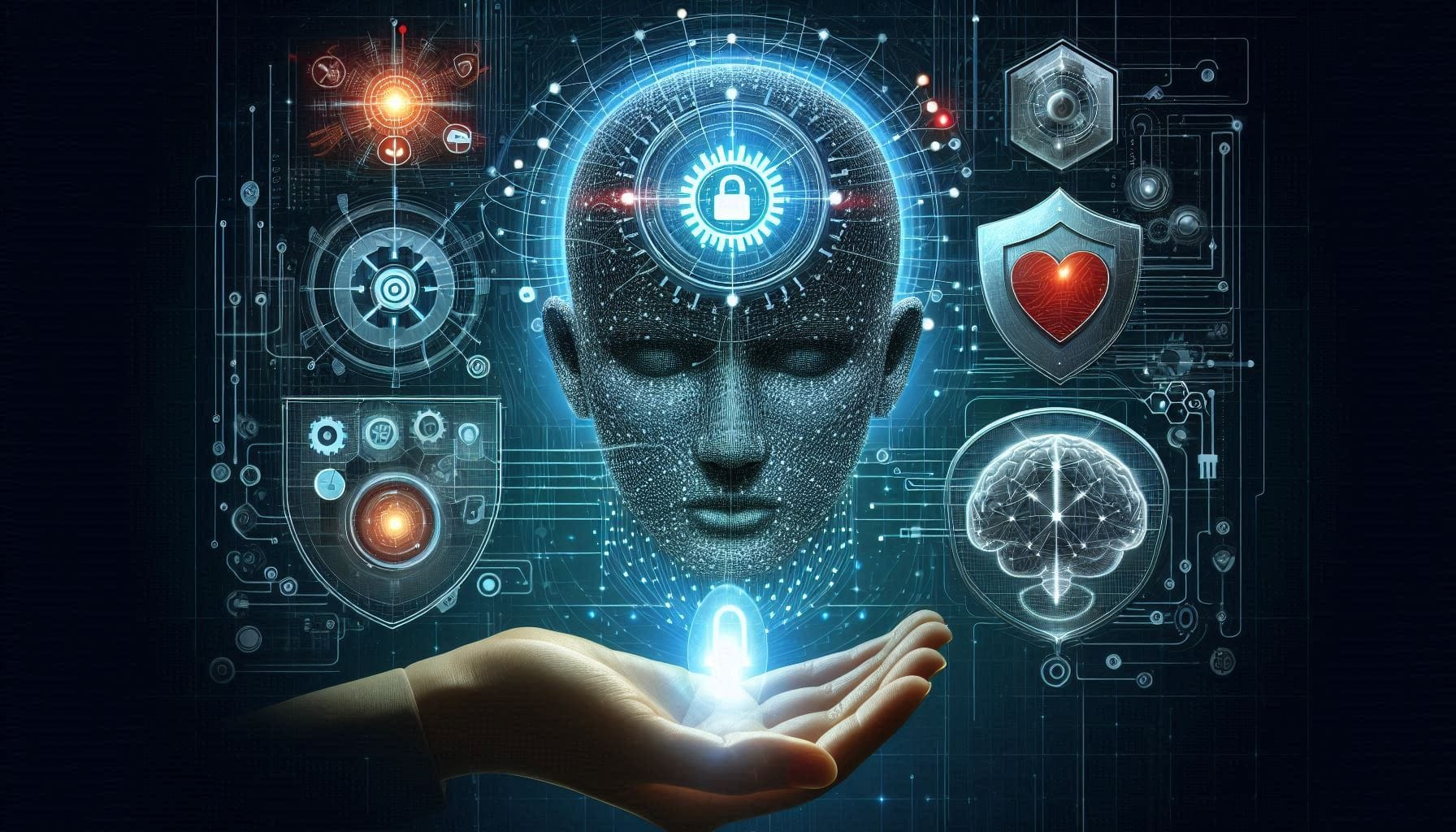
Mind Reading Technology: Insights, Risks, and Protection

Imagine a world where your thoughts no longer live silently inside your head—where machines can decode what you see, feel, or even intend to say. Mind reading technology, once the stuff of science fiction, is now edging into reality through the rapid evolution of neuroscience and artificial intelligence. From brain-computer interfaces that allow paralyzed patients to move robotic limbs, to neural decoding systems that can reconstruct images directly from brain signals, the line between imagination and reality is fading fast.

So, what is mind reading technology? It’s not mystical telepathy, but a scientific field focused on interpreting brain activity patterns using sensors, algorithms, and AI. Modern research uses techniques like fMRI (functional magnetic resonance imaging) and EEG (electroencephalography) to translate neural signals into recognizable outputs—such as speech, visual images, or emotional states. In simple terms, when we ask, how does mind reading technology work, the answer lies in reading the brain’s electrical and chemical language and turning it into digital data that computers can understand.

But as this frontier opens, it brings both hope and fear. The promise lies in helping those with paralysis, ALS, or speech impairments to communicate freely. The fear lies in losing mind privacy—the last untouched layer of human autonomy. Who owns your thoughts if machines can read them? Can mind privacy still exist in a world where neural data becomes as valuable as personal data?

As scientists push forward, mind reading technology stands at a moral crossroads—one that could redefine freedom, identity, and the very concept of what it means to have a private mind.

link

Loss of vitamin C biosynthesis protects from the pathology of a parasitic infection

link

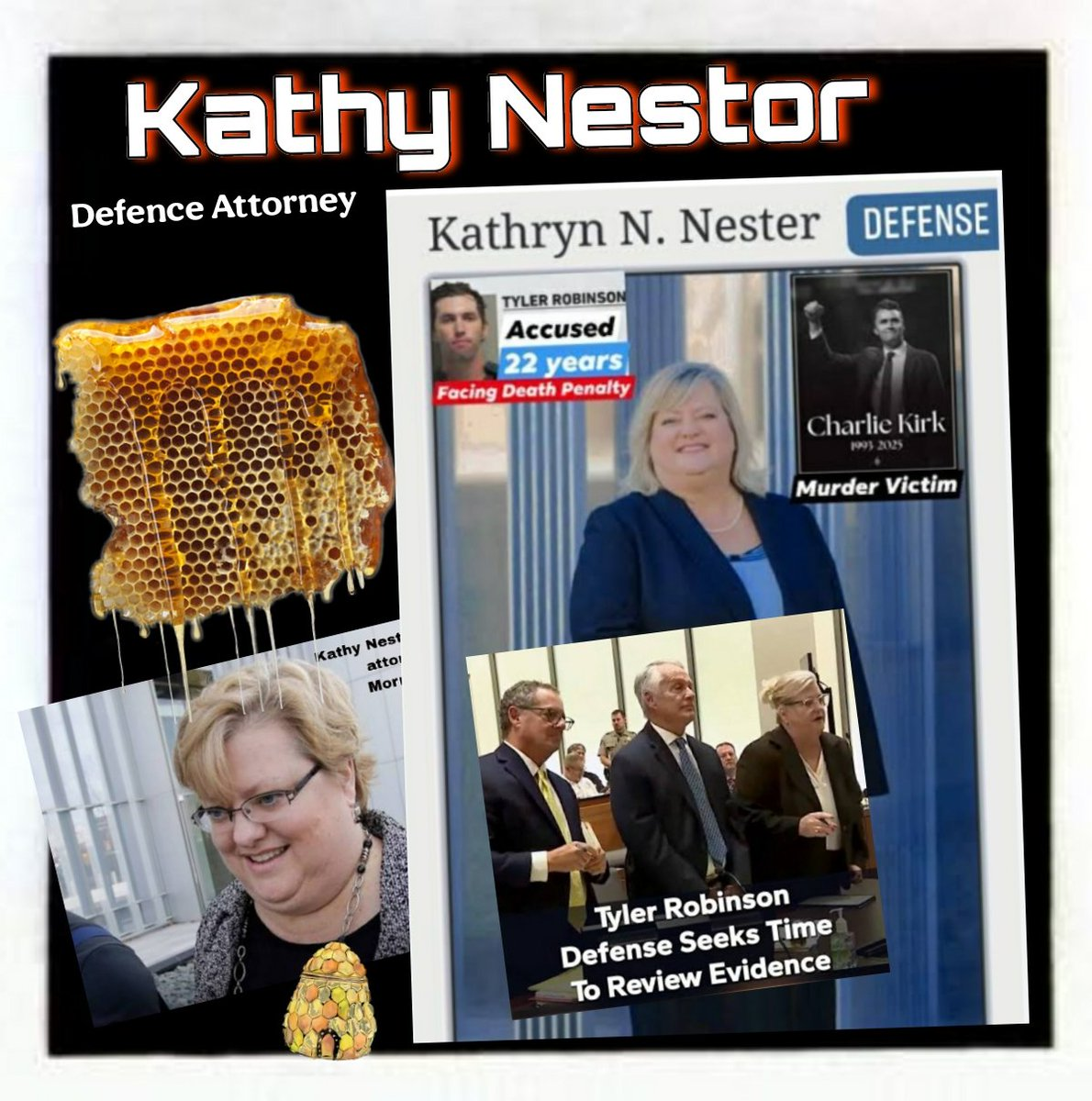
The Mormon connections to Kirk’s murder

link