
Artificial Wombs Could be Coming Soon
Medical advancements continually push the boundaries of what’s possible, the conception of an artificial womb capable of nurturing a human life has transitioned from the realm of science fiction to a tangible reality. Aided by intricate technology and years of dedicated research, these groundbreaking innovations promise to revolutionize neonatal care, especially for infants born prematurely. However, as with any transformative discovery, the journey of artificial wombs intertwines with a myriad of regulatory, ethical, and societal challenges. As regulators, scientists, and the public grapple with the potential implications, the horizon seems to herald an era where the lines between natural and artificial gestation might blur, bringing forth profound changes in our understanding of birth and life itself.
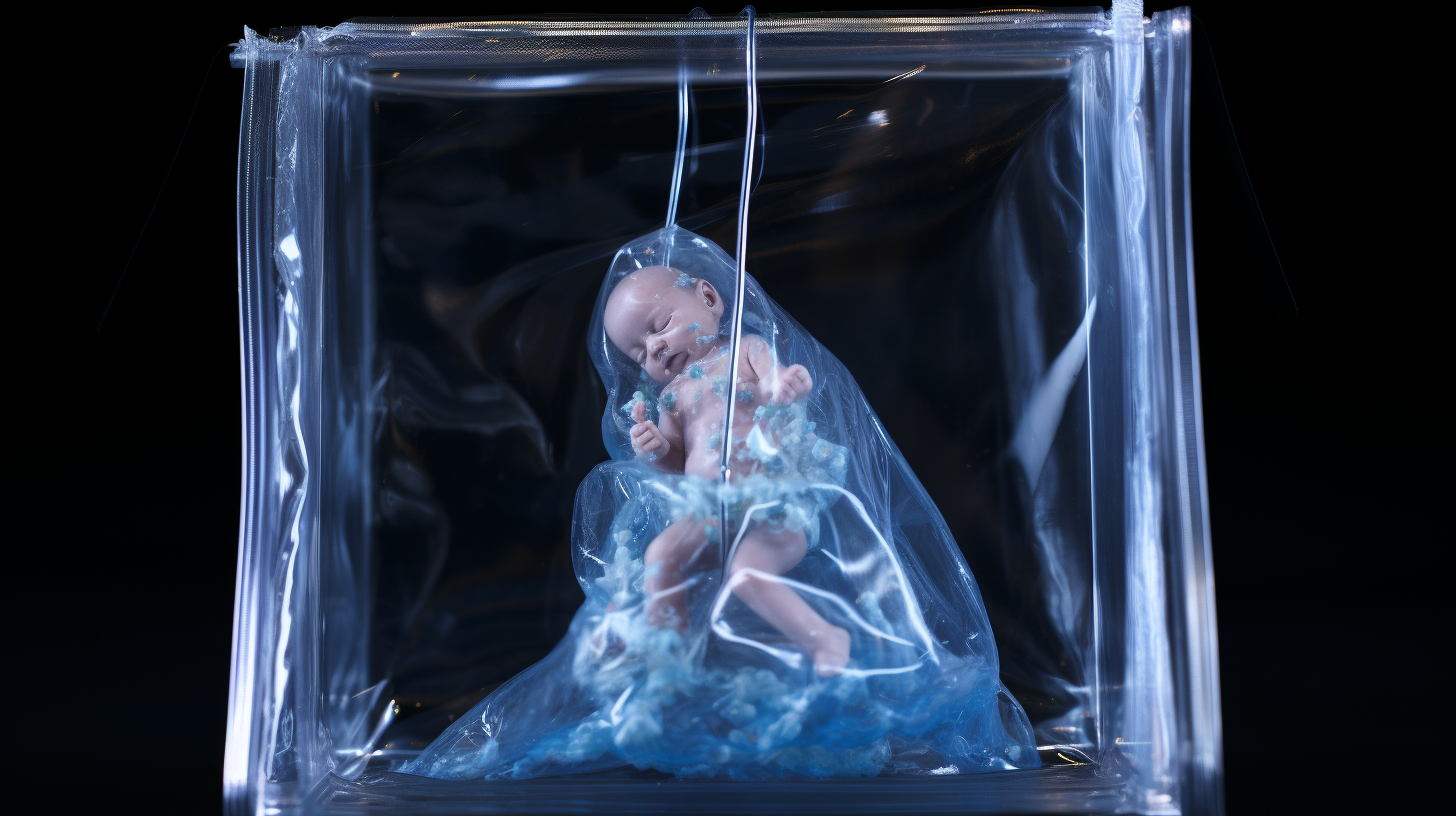
The Science Behind Artificial Wombs
Evolution of the Technology
The endeavor to create an environment mimicking the human womb outside the female body isn’t a novel concept. Historically, the aspiration has been influenced by both medical necessity and human curiosity. The primary motivation behind the pursuit is the challenge faced by neonatal units across the globe: the care for infants born severely premature. While advancements in neonatal care have significantly improved survival rates, long-term health complications among these infants remain a poignant concern.
Amidst this backdrop, the past decade has witnessed considerable strides in the field of artificial womb technology. Grounded in meticulous research and bolstered by advancements in biomedical engineering, the journey has evolved from rudimentary prototypes to sophisticated systems that can potentially sustain life. Key to this progression has been the rigorous testing on animal models, primarily lambs, given their physiological similarities to human infants in terms of lung development and other essential parameters.
UPDATE: As this tech evolves and merges with digital manipulation of gametes and zygotes, an era of post-Darwinian human evolution will begin. A healthy, compassionate, non-harming eugenics will not only vastly improve the human race but also make race, ethnicity, and lineage obsolete. Parents will be able to choose the traits of their offspring without coercion and rear them conveniently in artificial wombs. I can definitely see all kinds of things going wrong with this but the progeny of this process will be extremely intelligent, far more intelligent than anyone who has ever lived. Will those people be totalitarian maniacs? Will they allow parasites to rise to the top of the food chain and topple their societies as we are allowing today? I doubt it. Eugenics of this sort will remove all mutations from individuals and bad genes from the gene pool. Humans have had great success breeding dogs, horses and many other animals. I am much more hopeful than not about the future when I view it in this way. ABN

 American Buddhist Net