In any alternative media space, you are sure to find much talk about US dollar dominance, as well as optimistic forecasts of its imminent decline. This is also true in the radical right, where nationalists pine after an end to US imperial hegemony and the rise of a more multipolar world.
Often though, this hope is little more than wishful thinking, with unlikely challengers to US power much overhyped. This is especially true concerning US dollar hegemony, a topic that is ripe for misunderstanding at the best of times.
It’s important to keep in mind that people have been forecasting the decline of the dollar ever since it attained its status as global reserve currency. As far back as 1960, the economist Robert Triffin was warning of an “imminent threat to the once-mighty US dollar”. Understanding the reason for Triffin’s pessimism, and why it turned out to be misguided, is crucial to understanding today’s global monetary system and the enduring dominance of the dollar.
Triffin’s concerns were more informed than most: his “Triffin dilemma”, as it came to be known, highlighted an inherent problem with a country’s national currency also serving as the reserve currency of choice for the international system. The country supplying the world with the reserve currency has to produce a surplus of money, thereby creating a trade deficit. In other words, the supplier country needs to be continually losing money to fill up the reserves of other countries and make the currency a low-risk option to hold as a reserve. But if the supplier country becomes too indebted to the rest of the world in this scenario, then its currency ceases to be such a low-risk asset, and that’s the dilemma.
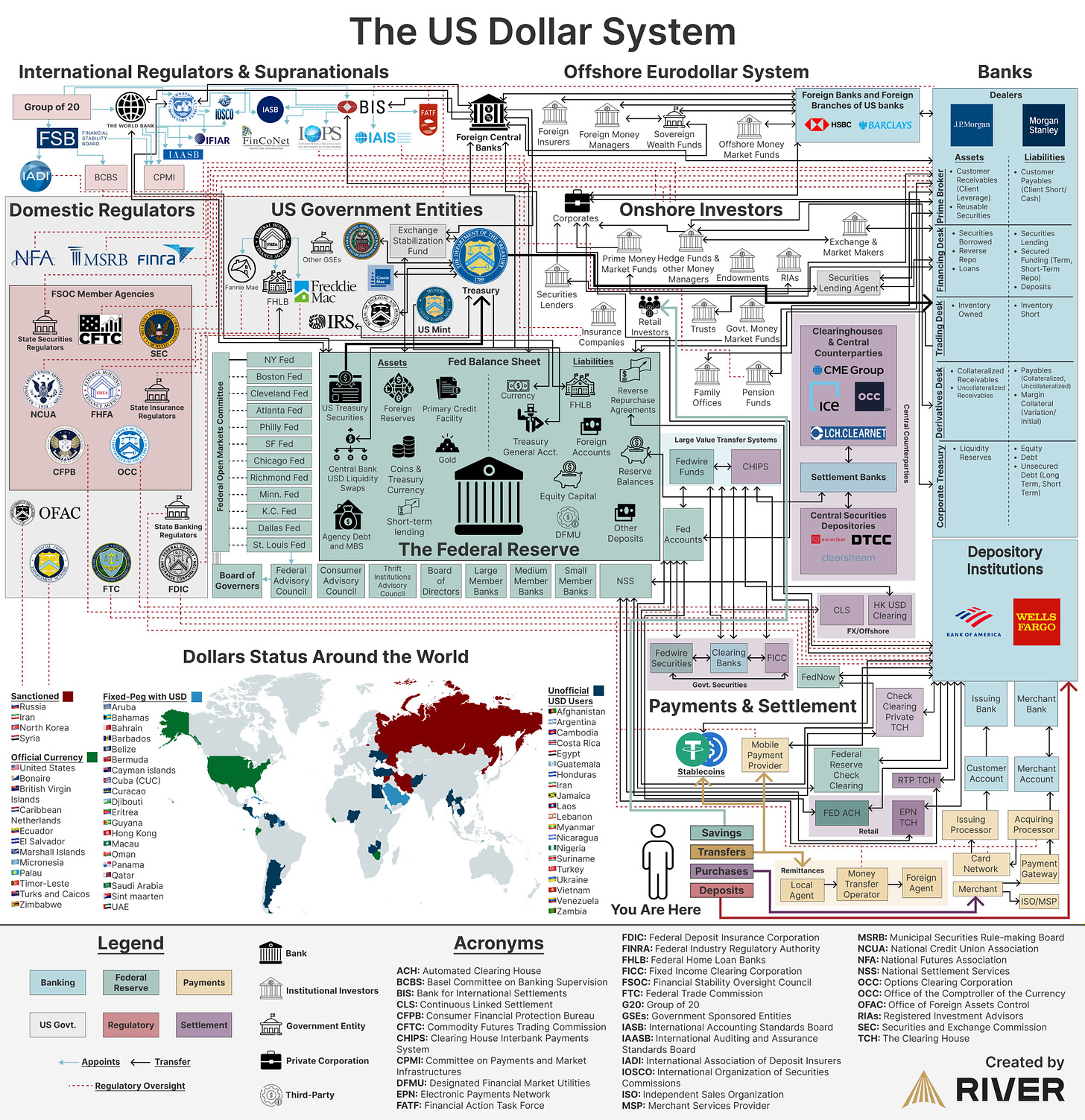
…For all the scare-mongering from libertarians about “Fed money-printing”, it is international bankers — outside the regulations of the US Federal Reserve — who are the ones in control of creating the US dollar supply on international markets. Big commercial banks create Eurodollars using the offshore system without the backing of the Federal Reserve. This is done through fractional lending, where dollar deposits are used as collateral to loan out a higher amount of dollars.


 American Buddhist Net