A new study has found that psychopaths show structural changes in particular areas of the brain that deal with things like impulse control and emotional regulation. This improved understanding may help to formulate targeted treatment and rehabilitation strategies.
Psychopaths appear to be walking contradictions, exhibiting (sometimes extreme) antisocial behavior while staying on the right side of a diagnosis of “insanity.” But as one of the strongest predictors of aggressive and violent behavior, it’s important to be able to accurately diagnose psychopathy, especially in the forensic setting.
A new study by US and German researchers has provided a greater understanding of psychopathy, using advanced brain imaging to pinpoint the structural changes that occur in the brains of individuals diagnosed with psychopathy.
The researchers focused on whether different psychopathic traits could be mapped to different brain regions. Psychopathy was measured using the Psychopathy Checklist-Revised (PCL-R), a 20-item scale scored from interview and file information, which has two main parts:
Factor 2: Antisocial behavior (e.g., deviance from an early age, aggression, impulsivity, irresponsibility, proneness to boredom).
Factor 1: Emotional detachment (e.g., lack of guilt or empathy, superficial charm, manipulativeness).
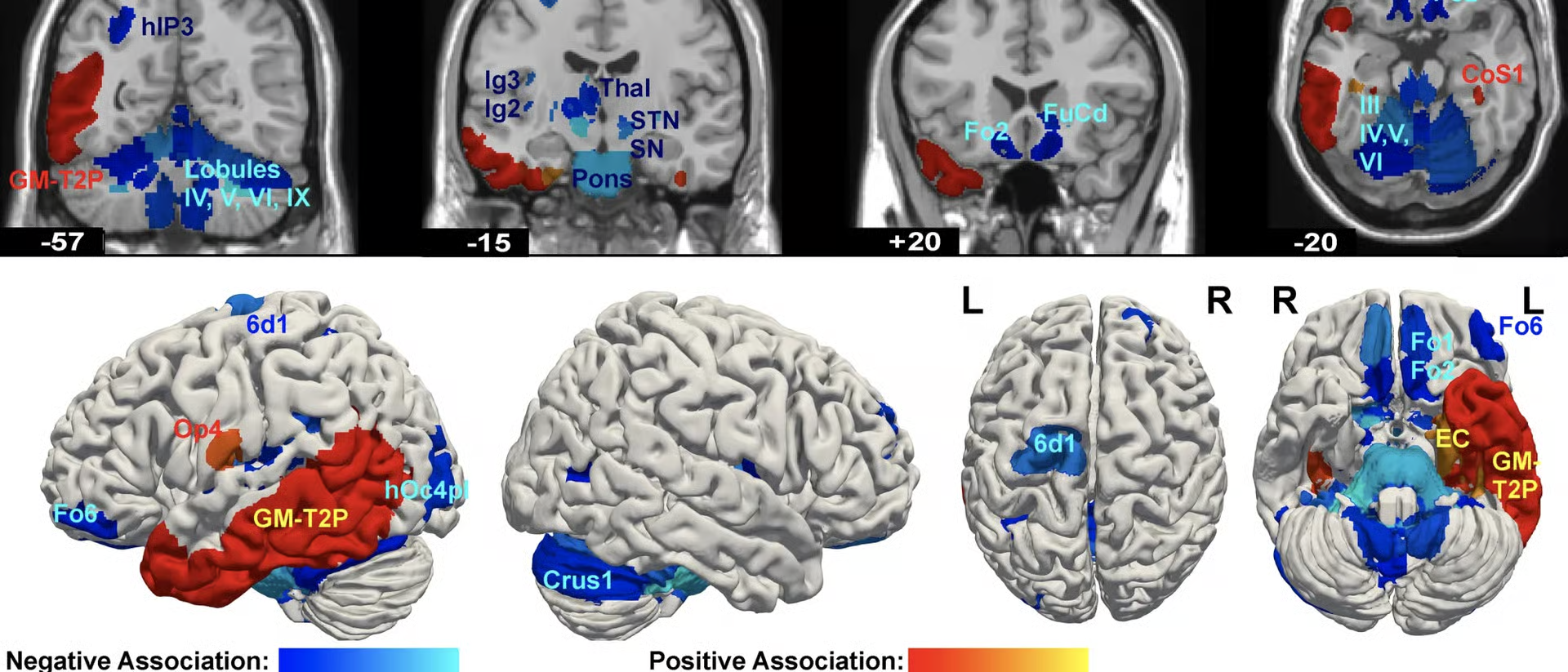
Psychopathic individuals were found to have a smaller total brain volume, about 1.45% less than non-psychopathic individuals. This was especially so in the cortex, the right subiculum (a part of the hippocampus), the anterior cingulate and insular cortices. These areas are important for social behavior, emotion, and self-control.


 American Buddhist Net