Archaeologists in Egypt have uncovered a stunning treasure trove hidden inside an ancient royal tomb, a discovery so rare it is rewriting history.
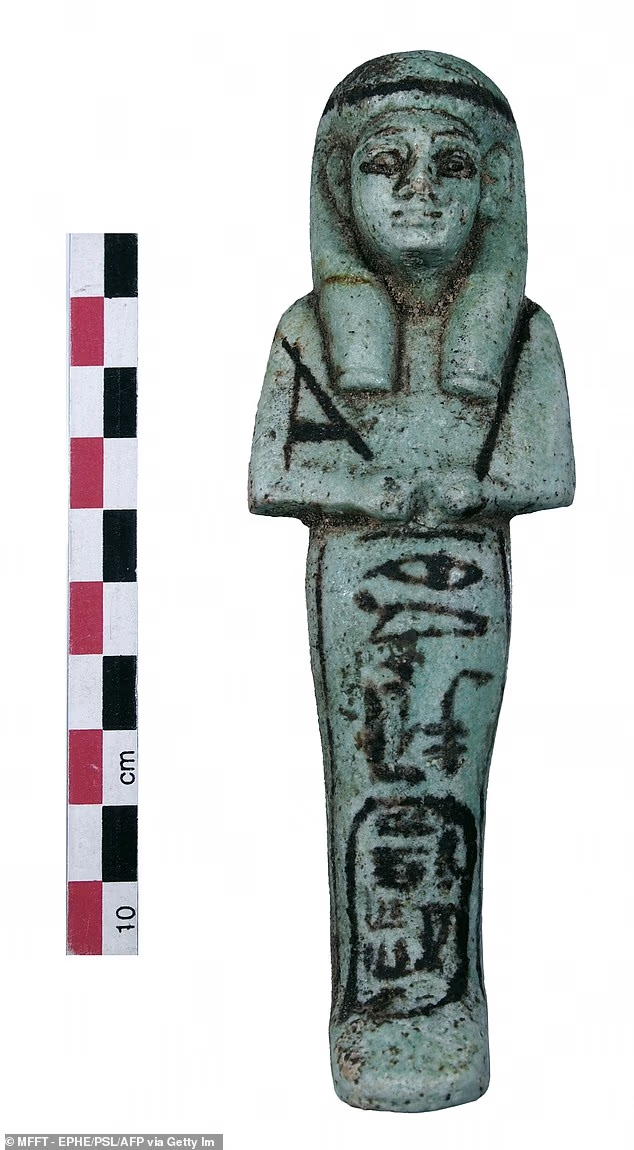
Buried deep beneath the sands of Tanis, researchers found 225 exquisitely crafted funerary figurines arranged in a mysterious ceremonial pattern, yet the tomb itself was empty of a body.
The find has electrified the archaeological world, not only for its scale but for its baffling implications.
More than half of the figurines are female, an almost unheard-of feature in royal burials, raising new questions about funerary customs during Egypt’s fractured Third Intermediate Period.
The figurines were laid out in a star-like formation and in perfect horizontal rows, suggesting an intentional ritual design untouched for nearly 3,000 years.
This is the first time in almost 80 years that figurines have been discovered undisturbed inside a royal tomb at Tanis, making it one of the most significant finds at the site since the 1940s.
Most astonishing of all, the royal symbols on the miniature servants confirm that the empty tomb belonged to Pharaoh Shoshenq III, a ruler whose final resting place has puzzled Egyptologists for decades. He reigned from 830 to 791 BC.


 American Buddhist Net