I intend to use my parliamentary privilege to name perpetrators and their enablers in the chamber.
This will be done incredibly carefully with our legal team involved every step of the way to ensure that no future prosecutions are jeopardised.
We are cooperating with the authorities in order to help cases be opened and reopened, but my faith in the system to independently deliver justice is not high…
That is why we are pursuing private prosecutions and civil litigation.
A target list has been identified, and it continues to grow.
This all has to be handled very carefully, for obvious reasons, but I am determined to act. We have had enough talk, now we need to act.
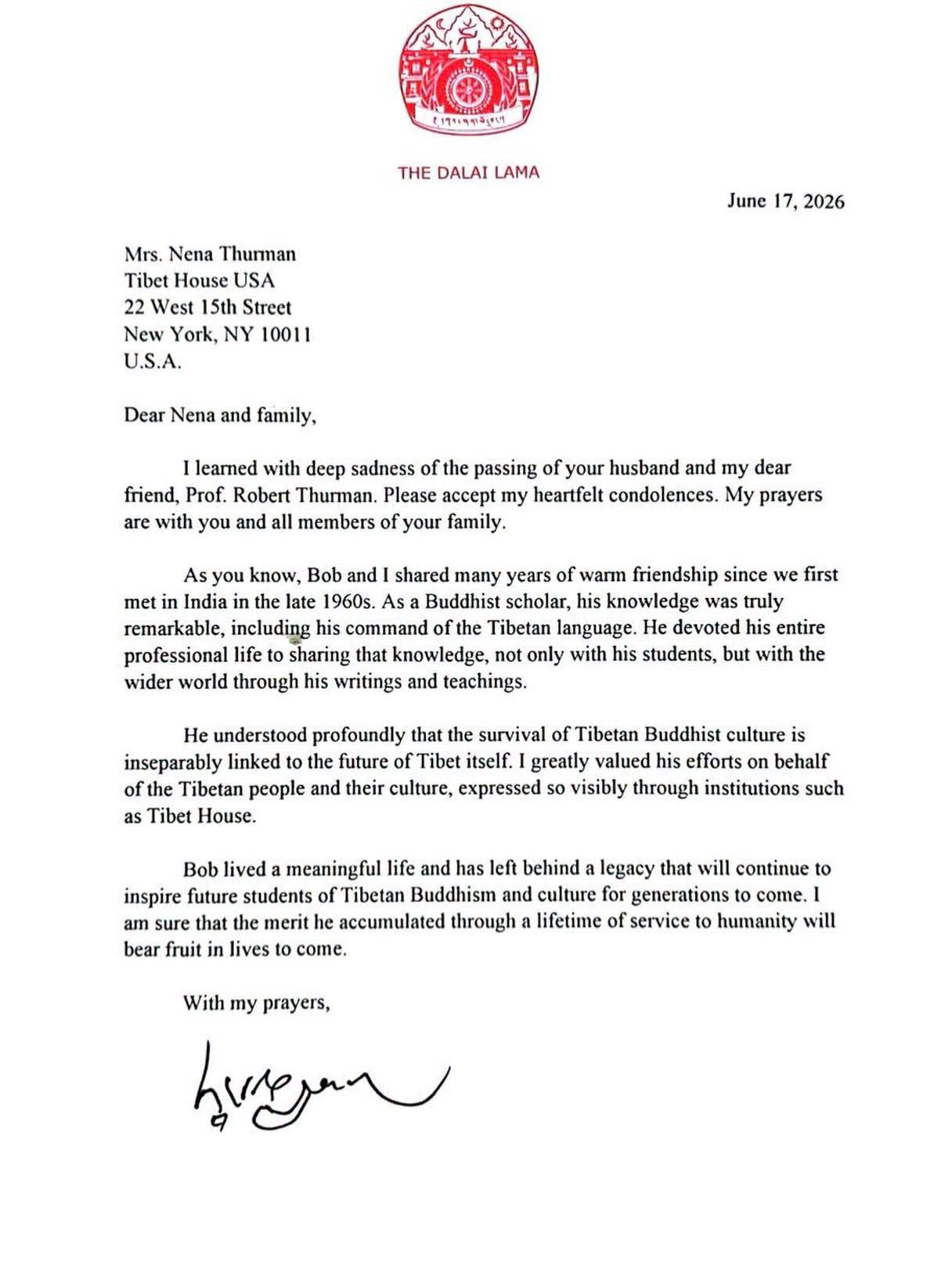
Uma Thurman‘s father Robert Thurman, an erstwhile monk and renowned scholar of Tibetan Buddhism, has died at the age of 84.
He made history as the first westerner to be ordained a Tibetan Buddhist monk by the Dalai Lama himself, according to his official website.
For three decades until his retirement in 2019, he held the Je Tsongkhapa professorship of Indo-Tibetan Buddhist Studies at Columbia University.
Uma’s upbringing was influenced by Robert’s religion, with two years of her childhood spent in Almora, a town that was then famed as a destination for visiting western Buddhists in a North Indian state bordering Tibet.
His death was announced Tuesday by Tibet House US, the nonprofit he co-founded at the Dalai Lama’s urging with names including Richard Gere.
In a stunning departure from decades of established US foreign policy, President Donald Trump revealed that a forthcoming peace agreement with Iran will likely allow the regime to retain its conventional ballistic missiles.
Standing before reporters at the G7 meeting in France, the President argued that a complete ban is unrealistic because ‘they got to have some.’
‘What am I going to do? Am I going to let Saudi Arabia have missiles, but they can’t have them?’ Trump said during the briefing. ‘Missiles aren’t the problem. They hurt a little location, but they don’t blow up the planet.’
This looks good to me. If Iran is left defenseless, Israel will bomb them again. I also like the last paragraph of the article above: ‘Rather than focusing strictly on Iran’s nuclear infrastructure, the sweeping agreement reportedly encompasses almost every critical geopolitical pressure point in the area, including Lebanon, the Strait of Hormuz, sanctions policy, maritime security and the future presence of American forces in the Middle East.’ It looks like Trump is trying to establish a working economic confederacy in the ME without Israel being the hegemon. A working confederacy in which all players in the region have an economic stake will make future wars less likely. ABN
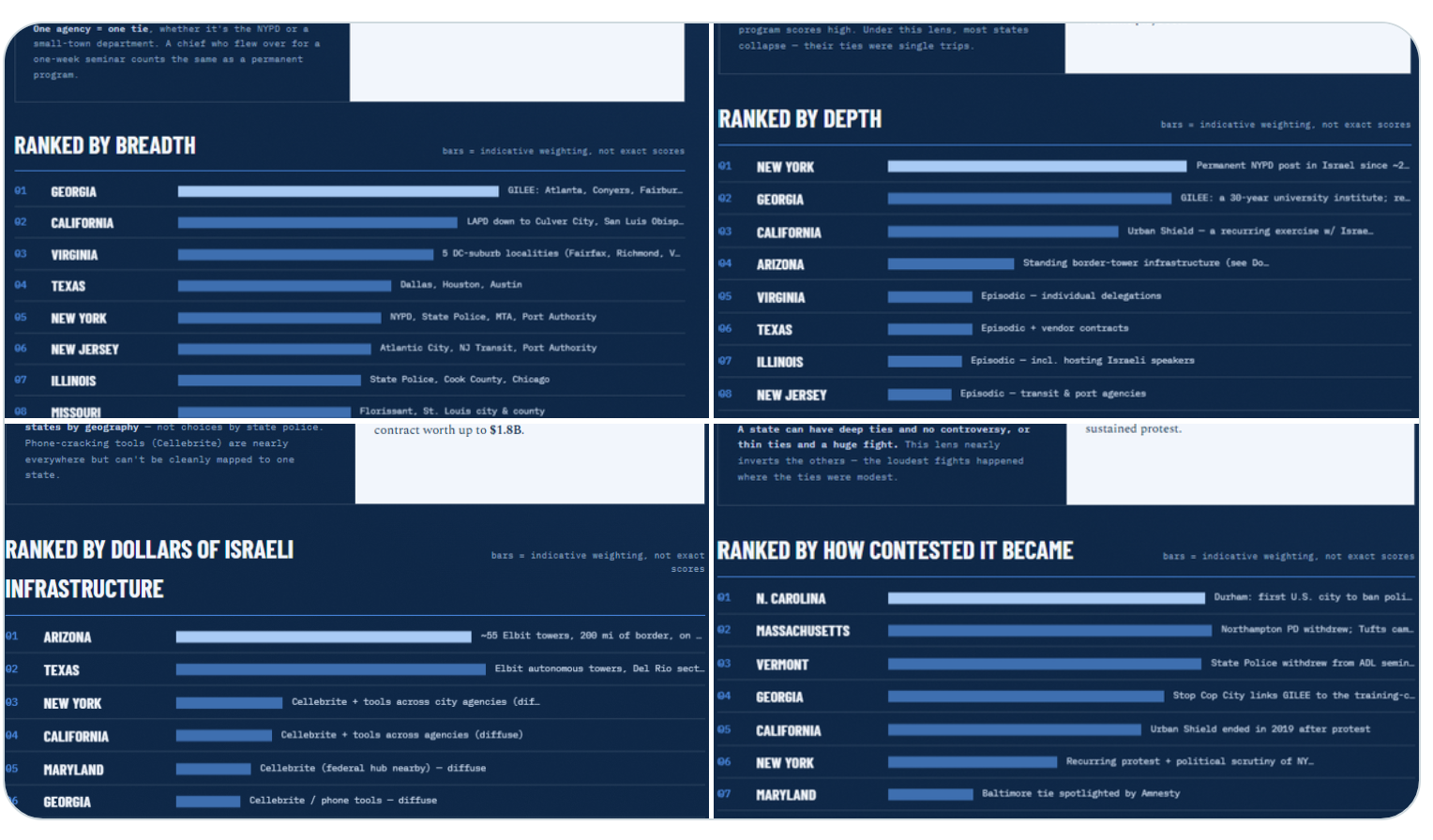
Exposing how far Israel’s reach goes into U.S. law enforcement. Four different ways to measure it.
I built a web based browsing tool that takes the same public records and measures them four ways. Each way gives you a different answer about which states have the strongest ties.
One way counts how many police agencies in a state have any documented connection. States with lots of small departments can rank high here even if most of those connections are small.
Another way looks at how deep the relationship actually runs inside departments. This one shows states where the connection has turned into normal, everyday procedure instead of occasional contact.
A third way follows the money and equipment. It tracks which states have brought in more Israeli technology and systems at scale.
The fourth way shows where these ties have already sparked open fights. Some states that look average on the first three shoot up here because people pushed back publicly.
Change which measure you use and the top states shift. The same records can make one state look heavily tied in or fairly average depending on what you decide to count.
Everything comes from public records that anyone can check. The tool just lets you ask four honest questions instead of pretending there’s only one answer.
Delivering a statement via Truth Social from the G7 in France. Trump has suspended the nomination of SDNY U.S. Attorney Jay Clayton, cancelling Wednesday afternoon’s SSCI hearing on the nomination.
The late-night timing appears to be due to Trump focused on the G7 discussions and now turns his focus back to the domestic agenda; DNI, Save America Act and FISA (702) reauthorization.
Trump outlines in the Truth Social post that FISA (702) renewal must be attached to the Save America Act, and Jay Clayton’s replacement, Jamie McDonald, must be confirmed to replace Clayton in the SDNY prior to the DNI nomination moving forward. This position puts Bill Pulte’s appointment as Acting DNI back into the mix.
None of these back-and-forth moves would be necessary if Republican Senate Majority Leader John Thune were aligned with the Republican President. Alas, with Thune representing a dysfunctional wing of a Senate UniParty, his priorities are in alignment against the President.
Awesome skills, but dangerous to self and others plus zero protective gear. Still, great skills. The stoppie (back wheel off the ground) right turn is especially impressive. ABN
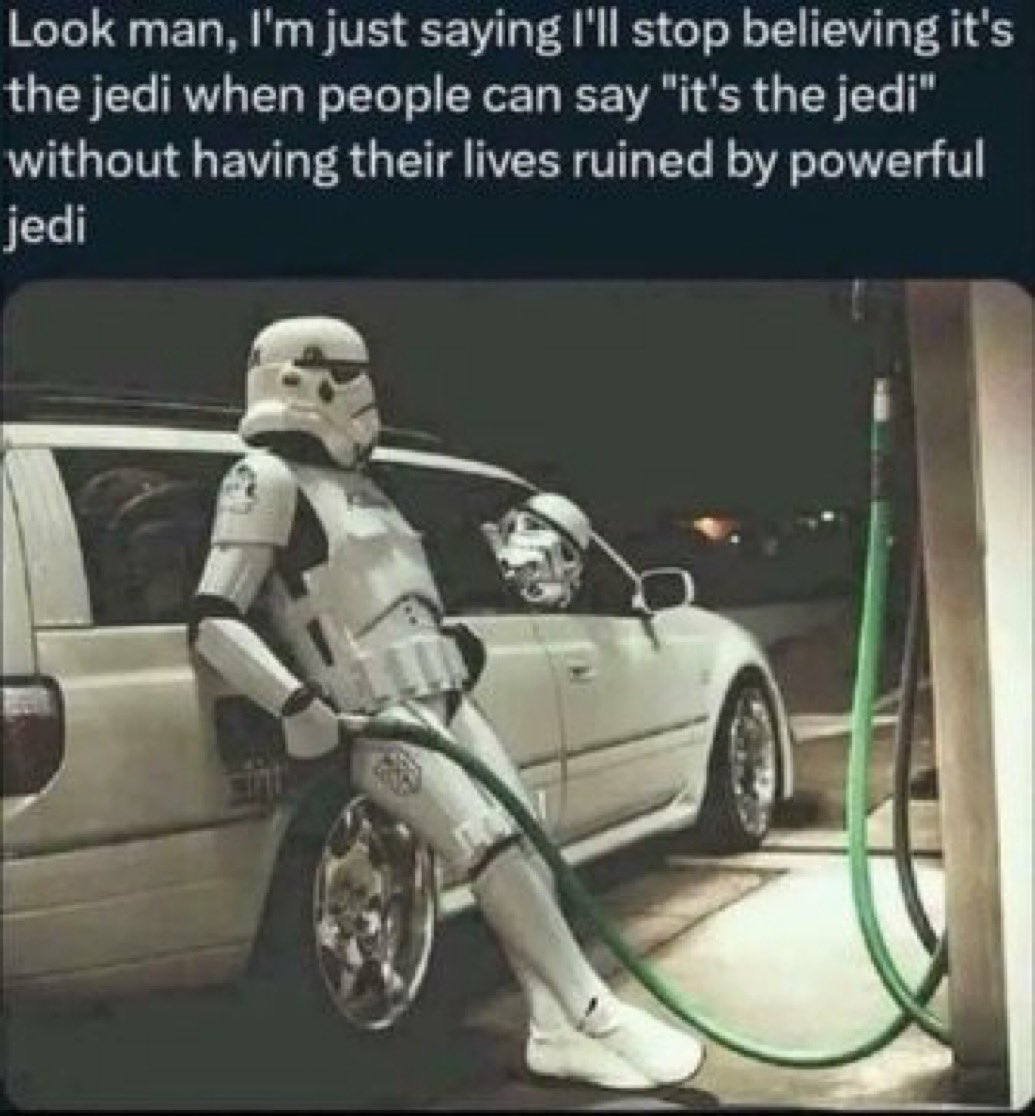
Imo, doxing Austin and threatening to ruin his life is terrorism, plain and simple. The threats are real, Jewish Supremacists really do that, and are designed to frighten others, which is the main goal of terrorism. Moreover, Jewish Supremacists have a long history of poisoning, lobotomizing, and otherwise physically disabling their perceived enemies. Past and recent events in Gaza and Israel are proof enough of that. The clandestine violence happening in USA is more hidden and less understood by most. USA is so deeply controlled by JS, a silly incident like this can be blown into an open terrorist threat against a 19 year-old and by extension everyone. In one way I dislike saying this because I amplify and even add volume to their threat. But in another way, the deep problem is the terrorism, which must be faced. ABN

 American Buddhist Net