
Donald Trump has announced that he will impose increasing tariffs on eight European countries unless they agree to let the US take over Greenland.
Britain, France, Germany, Denmark, Norway, Sweden, Finland and the Netherlands will be hit by a 10 percent levy on ‘any and all goods’ entering the US from February 1, the president announced on Truth Social on Saturday.
Trump said that if no deal was reached by June 1, the tariff will increase to 25 percent.
The president, who referred to himself as ‘the tariff king,’ called on Denmark to relinquish the mineral-rich territory by claiming world peace is at stake.
‘Only the United States of America, under PRESIDENT DONALD J. TRUMP, can play in this game, and very successfully, at that!’ Trump wrote.
‘Nobody will touch this sacred piece of Land, especially since the National Security of the United States, and the World at large, is at stake.’
Trump said that the eight countries had been targeted in direct response to them sending troops to Greenland in the last few days.
The president added that ‘on top of everything else’ the eight countries ‘have journeyed to Greenland, for purposes unknown.’
‘This is a very dangerous situation for the Safety, Security, and Survival of our Planet. These Countries, who are playing this very dangerous game, have put a level of risk in play that is not tenable or sustainable,’ Trump wrote.
‘Therefore, it is imperative that, in order to protect Global Peace and Security, strong measures be taken so that this potentially perilous situation end quickly, and without question.’
Tag: geopolitics
German Chancellor Merz Admits Shutting Down Nuclear Energy Production Was a ‘Severe Strategic Mistake’
Germany has a severe electricity shortage and cost problem, and it’s getting worse.
German Chancellor Friedrich Merz recently made the admission that shutting down the German nuclear power reactors was a “severe strategic mistake.”
“To have acceptable market prices for energy production again, we would have to permanently subsidize energy prices from the federal budget,” Merz said, adding: “We can’t do this in the long run.”
“So, we are now undertaking the most expensive energy transition in the entire world,” Merz said with pronounced frustration. “I know of no other country that makes things so expensive and difficult as Germany.”
Keep in mind, Germany represents the largest contributing economy in the European Union. The German industrial sector is the backbone of the European economic model.
All of these realities paint a very tenuous picture for the economic future in Europe, when combined with a new trade relationship with the USA, increasingly cheap goods dumped into the EU by China and the EU promising to continue spending on the war effort in Ukraine against Russia.
Steve Bannon reveals why Canada is the ‘next Ukraine’ as he details Trump’s real motivations behind taking Greenland and his ‘Donroe Doctrine’
President Donald Trump is preparing to counter Chinese influence in Canada as his ‘Donroe Doctrine’ for the Western Hemisphere expands beyond Latin America, his former campaign architect Steve Bannon has told the Daily Mail.
‘The next big thing is going to be Canada. Canada is the next Ukraine because they can’t defend their northern arctic border and China is going to come take a bite,’ former White House chief strategist Bannon said. ‘They can’t defend it and Trump is going to come in hard on Canada.’
During his first term, Trump formed an Arctic working group that deepened his understanding of Greenland’s geo-strategic importance—and highlighted concerns about Canada’s Arctic vulnerabilities.
The president has long been concerned about China’s actions in the Arctic after they described themselves as a ‘near-arctic state’ in 2018, former White House officials told the Daily Mail.
Canada is also forging closer ties with China, which threatens to upset the existing relationship with the United States.
Canadian Prime Minister Mark Carney sparked concern from Americans as he visited China for the first time in nearly a decade and described Chinese president Xi Jinping and China as ‘strategic partners.’
Trump forms ‘Board of Peace’ as Gaza ceasefire moves to next phase
President Donald Trump has announced that he has formed a ‘Board of Peace’ to govern the Gaza Strip as the US moves into the second phase of its peace deal between Israel and Hamas.
Under the 20-point peace plan, Trump proposed a new international transitional body to oversee the redevelopment of Gaza.
Trump will head and chair the board alongside other world leaders, including Nickolay Mladenov, the former UN Middle East envoy, who is expected to serve as liaison between the board and new Palestinian-run National Committee for Administration of Gaza (NCAG).
It remains unclear who else may sit on the board, but the Times of Israel reported last month that the US has claimed it secured commitments from Egypt, Qatar, the United Arab Emirates, the United Kingdom, Italy and Germany to have their leaders join the board.
Trump was personally involved in selecting who would receive an invitation to join the panel, a US official said, adding that invitations were sent out on Wednesday to ‘a lot of countries’ and that ‘there has been a very overwhelming response.’
The other members of the board ‘will be announced shortly,’ Trump wrote on his Truth Social platform Thursday.
The Trump administration is now reportedly planning to hold the first meeting of the Board of Peace on the sidelines of the World Economic Forum in Davos this week.
Trump at Ford plant answers questions
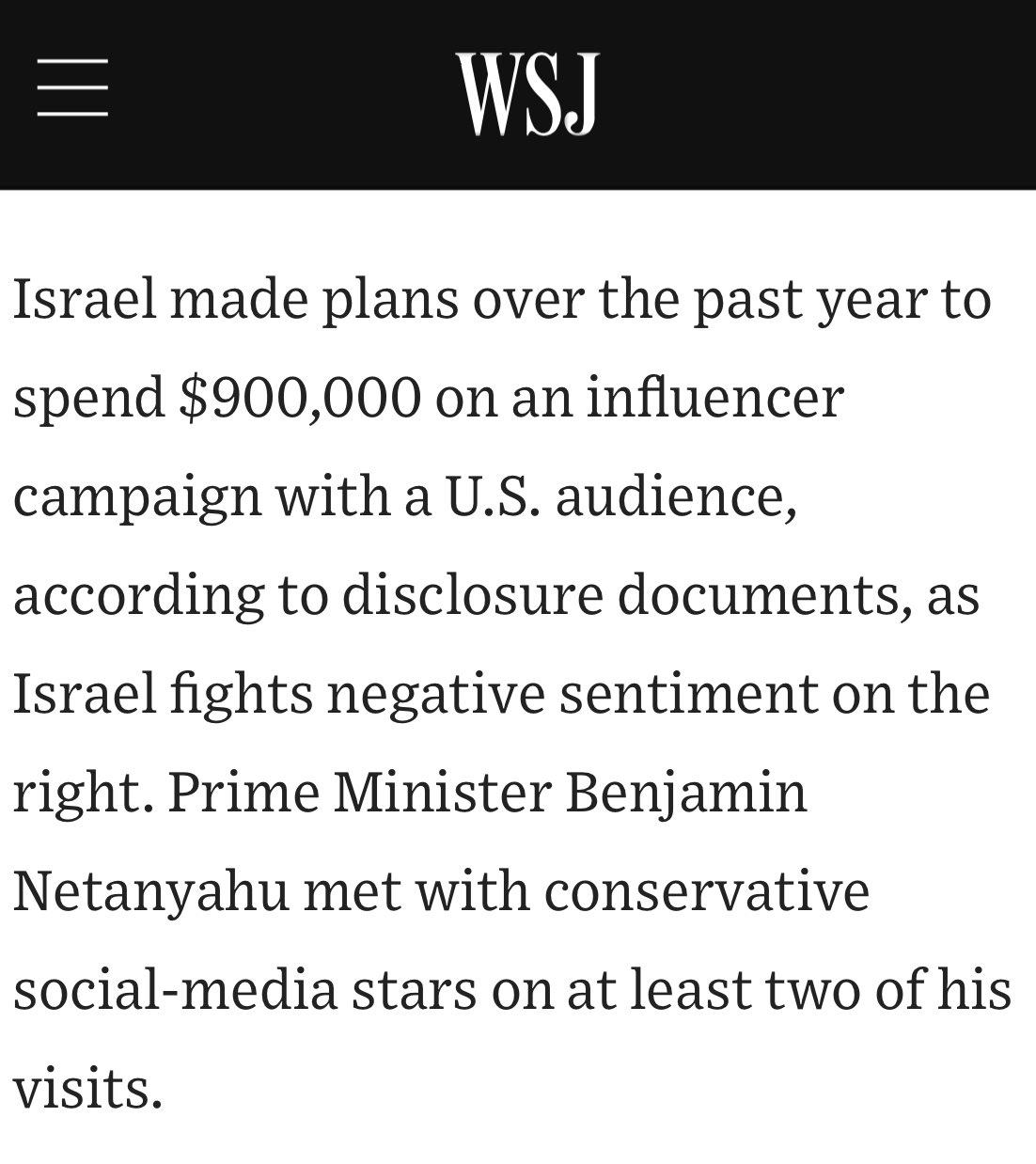
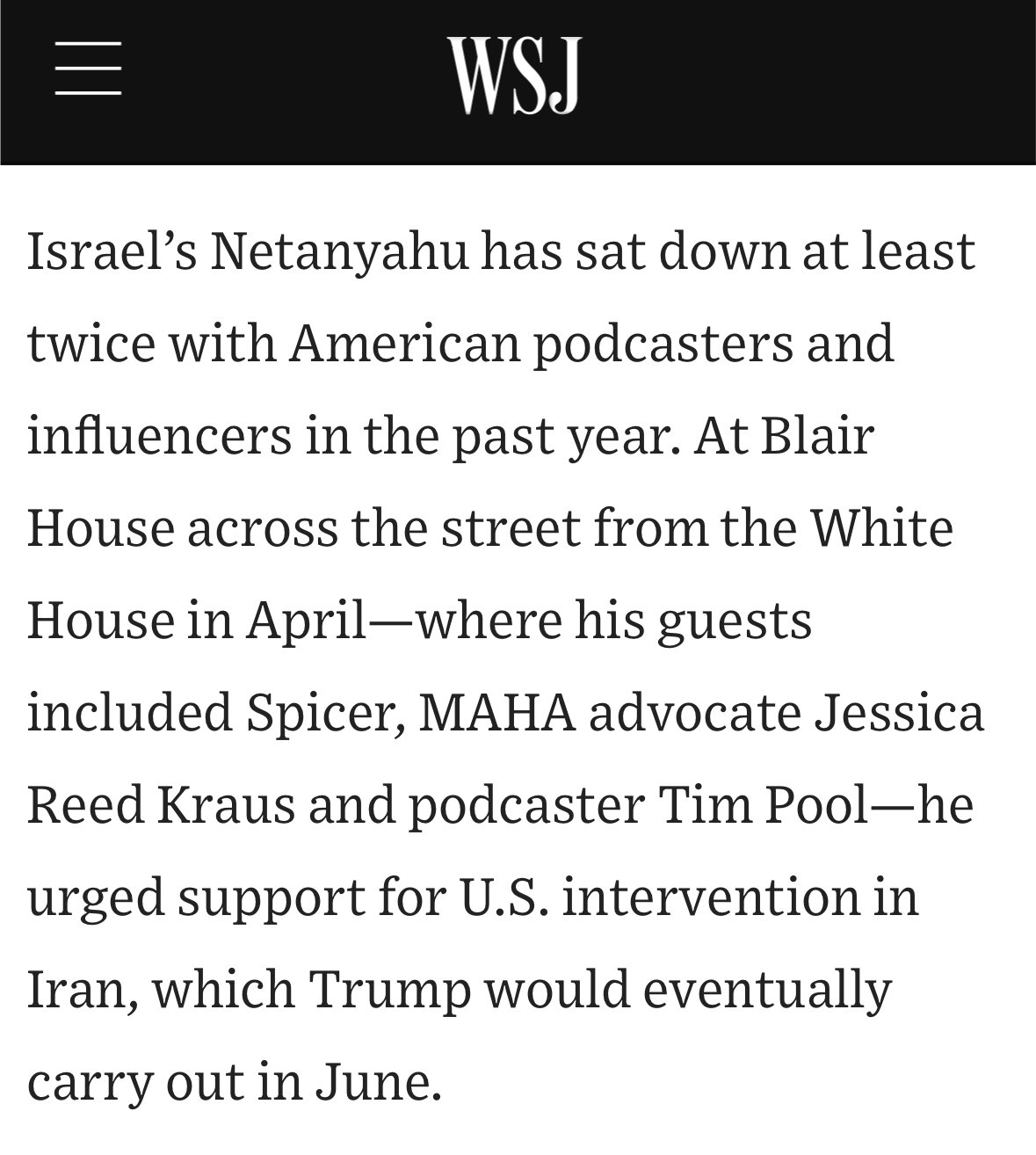
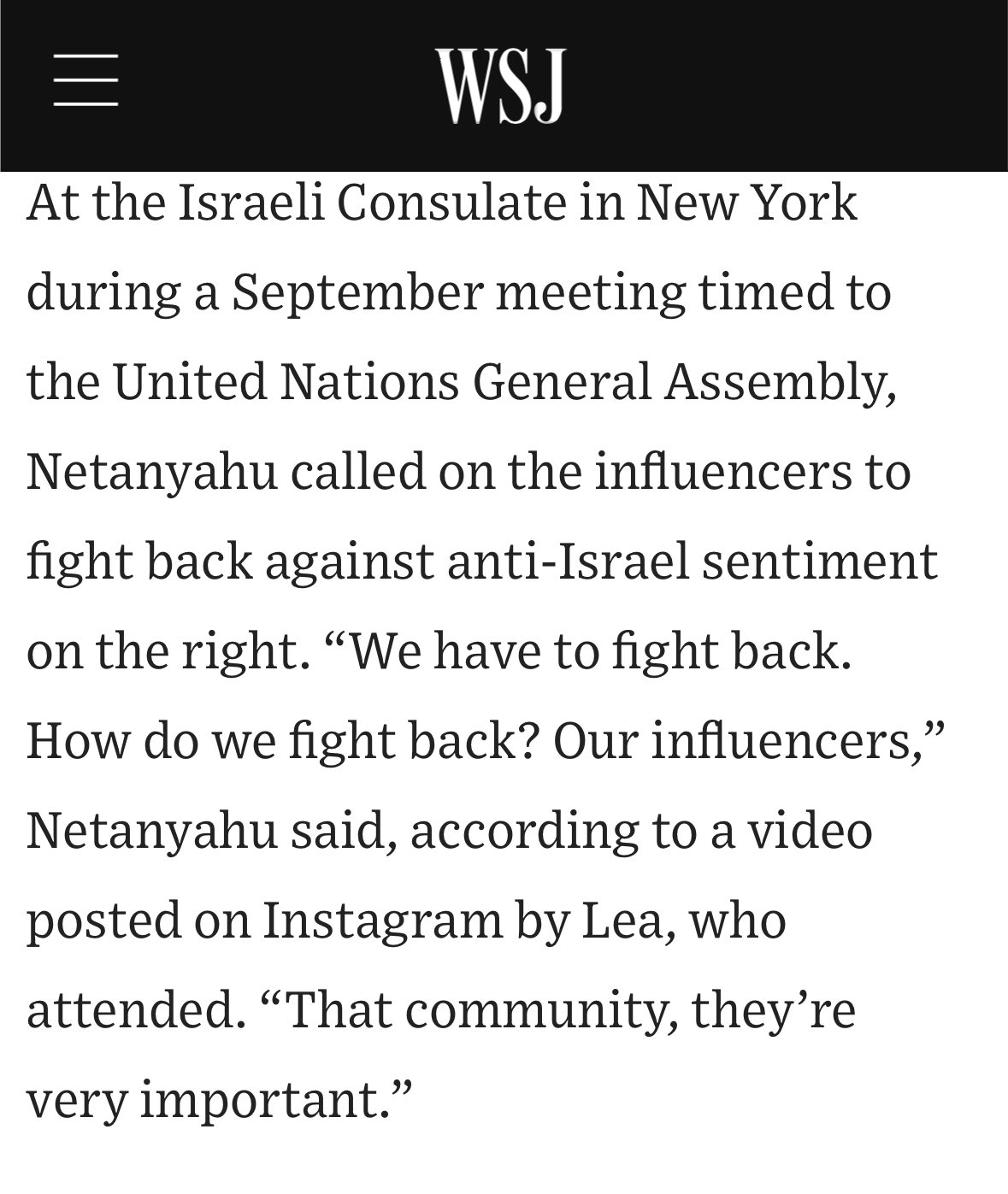
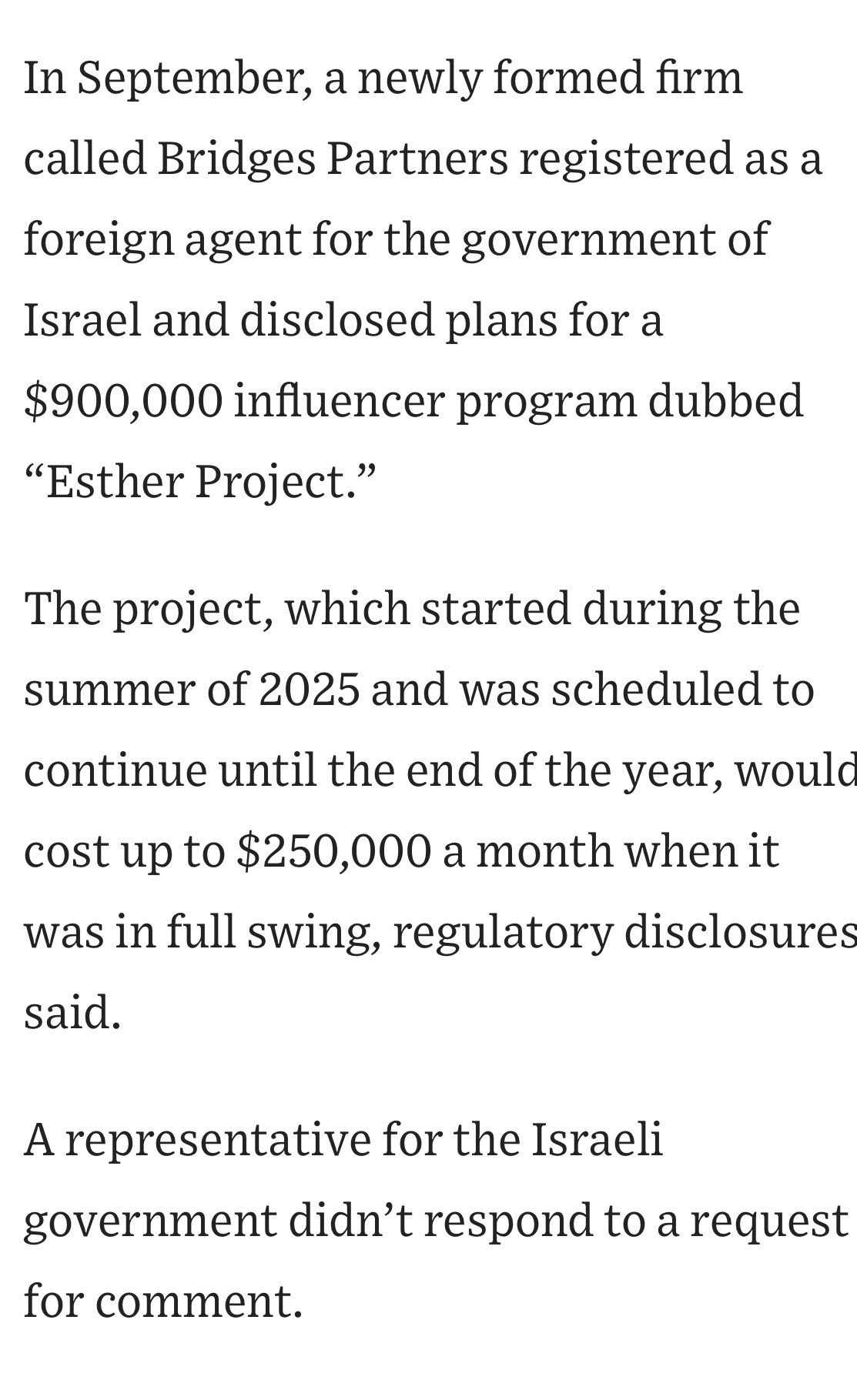
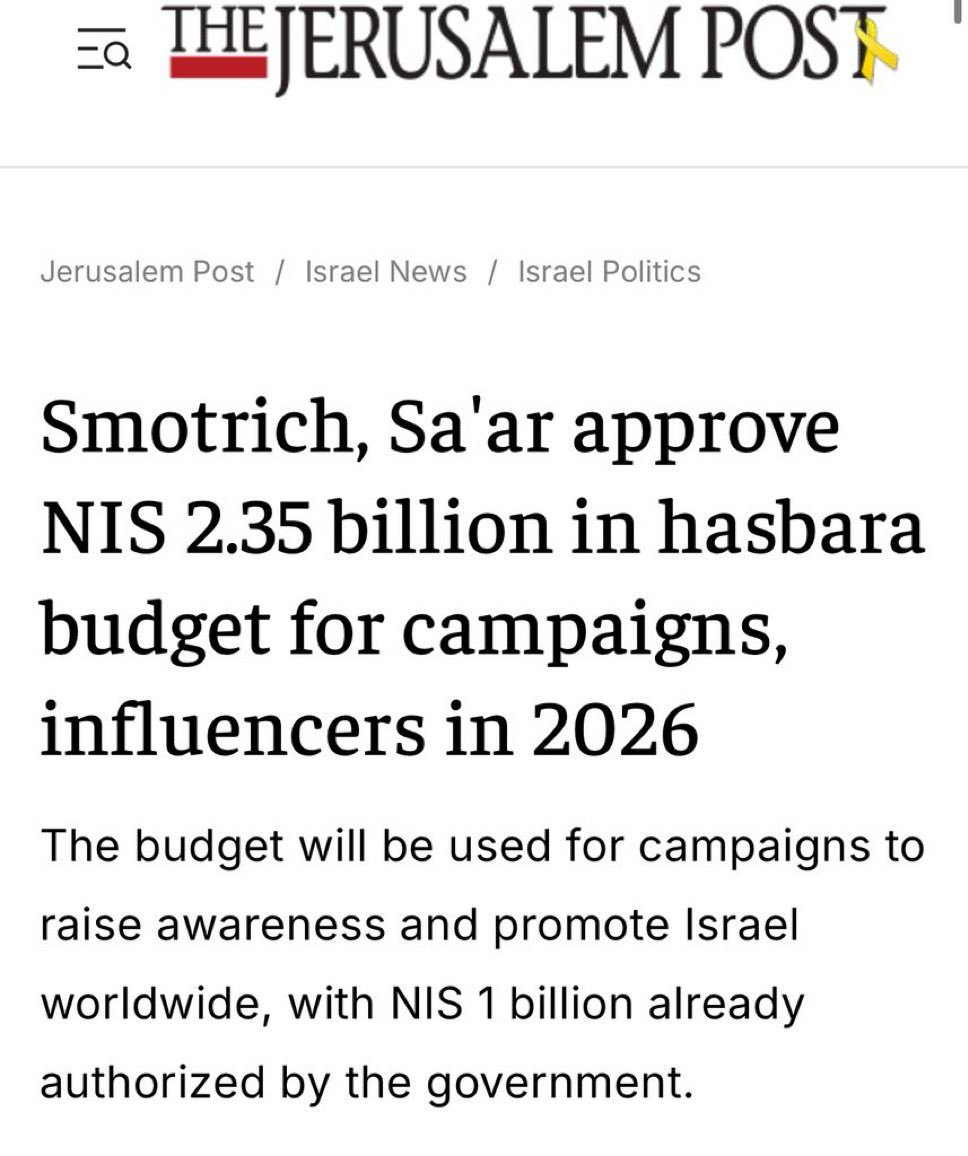
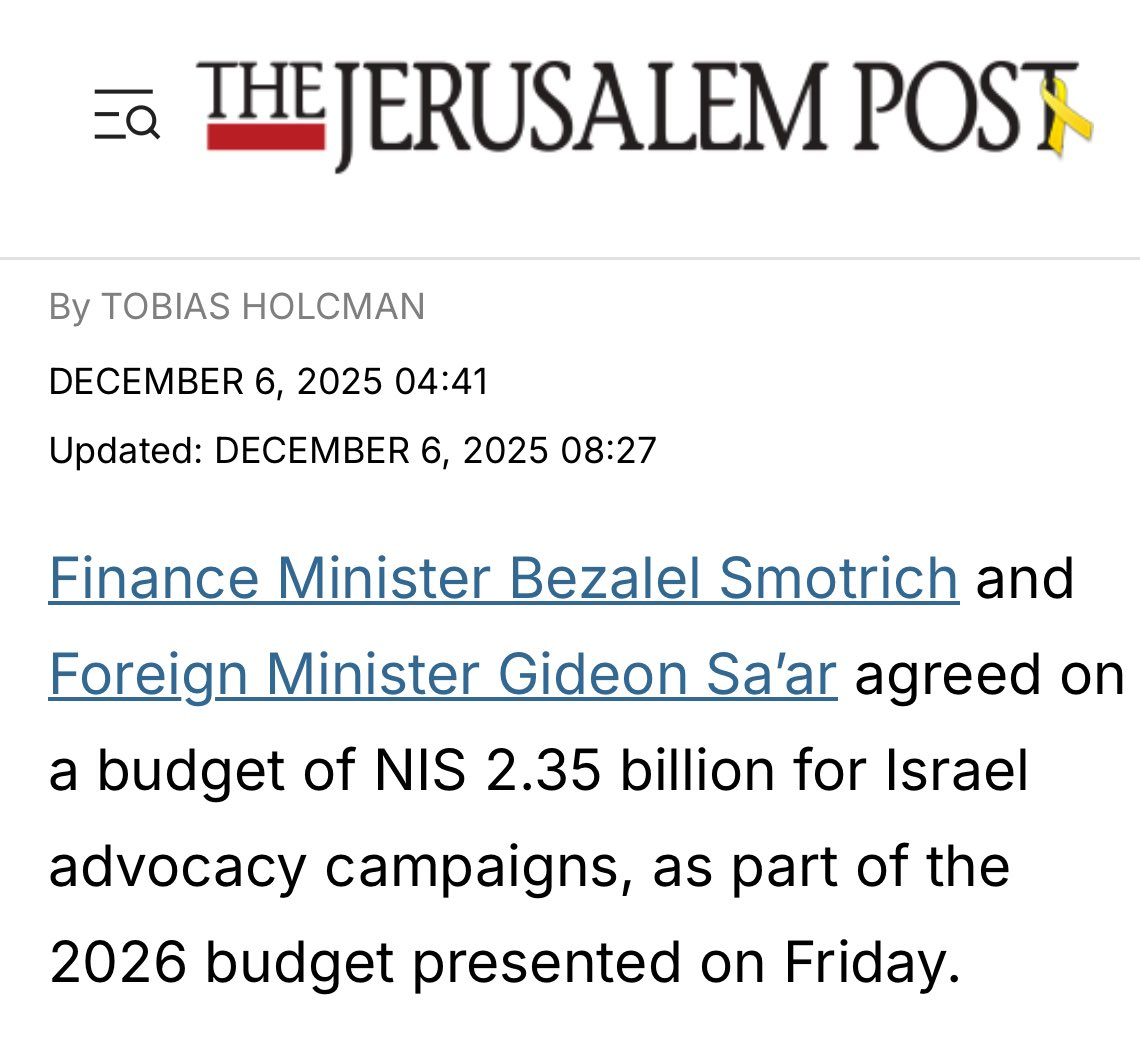
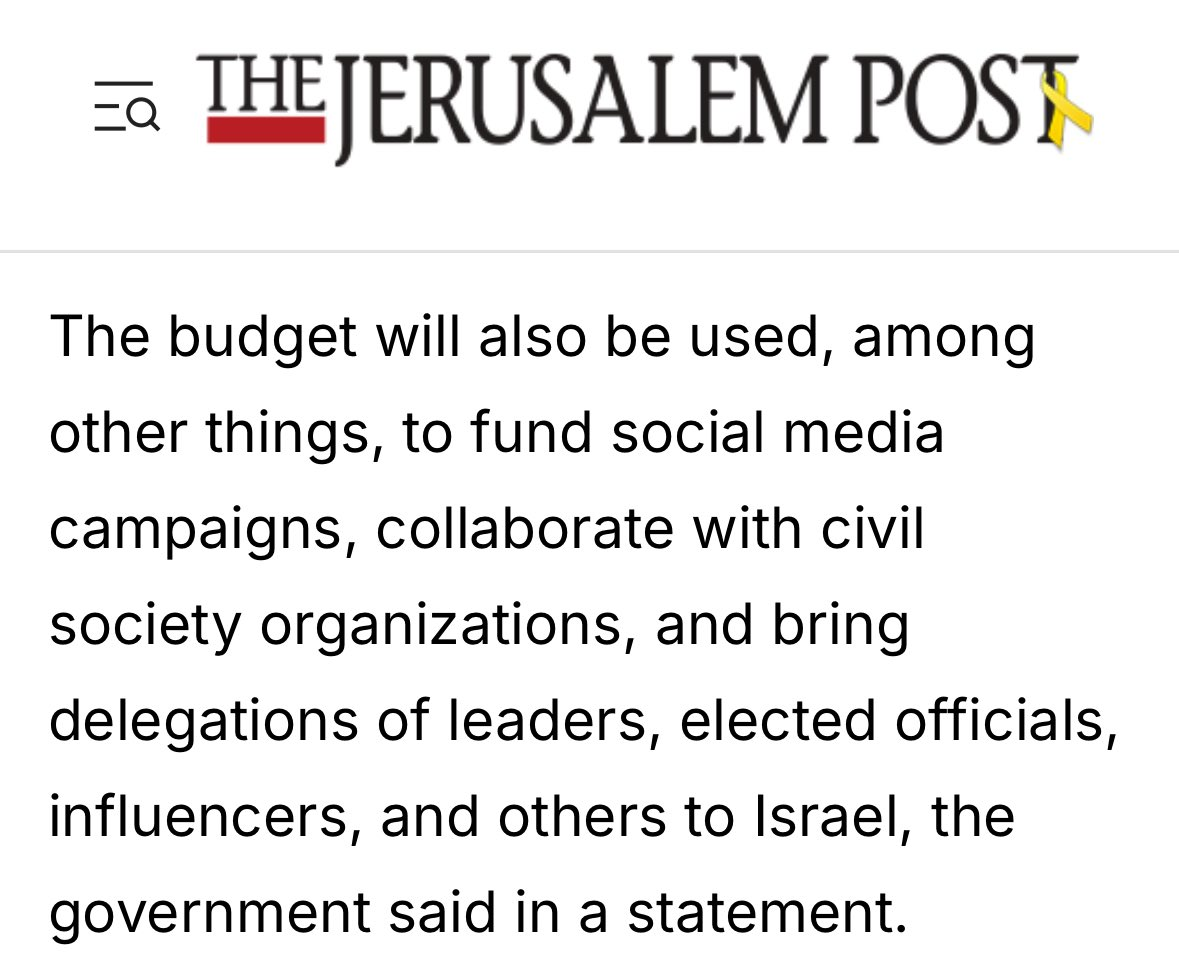
Israeli ‘influencer campaign’ behind sellouts on the American right
__________
Raw mind-control. The good side of this campaign is it reveals who the sellouts are. Once identified, they should not be believed or have appreciable influence any longer.
At the end of the day, none of this is good for Israel or Jews, or America. ABN
Trump speaks to press
Iran today in the news
Protests in Iran continue for a second consecutive night on 10 January 2026, despite a nationwide internet blackout and escalating government crackdowns, with demonstrators defying threats of severe punishment The unrest, which began on 28 December 2025 over a currency crisis and soaring inflation, has now spread to at least 190 cities and entered its third week, marking one of the most significant challenges to the Islamic Republic in decades
- Iranian authorities have imposed a near-total internet shutdown since 8 January, confirmed by NetBlocks, in an effort to suppress information and disrupt protest coordination—a move described by experts as a “digital kill switch”
- Security forces have used live ammunition against protesters, with human rights groups reporting at least 48 deaths, while the US-based Human Rights Activists News Agency claims 116 killed, including seven under 18, and over 2,600 arrested
- Iran’s Supreme Leader Ayatollah Ali Khamenei dismissed protesters as “vandals” and vowed the regime “will not back down,” while also warning U.S. President Donald Trump that he would be “brought down” for interfering
- Trump has repeatedly threatened Iran, stating the U.S. would “start shooting” if protesters are killed and declaring “Make Iran Great Again,” signaling strong support for the demonstrators
- The UN-mandated fact-finding mission on Iran has urged the government to halt violence and restore internet access, expressing alarm over reports of unrestrained crackdowns
- Exiled opposition figure Reza Pahlavi has called for continued protests and nationwide strikes by energy and transport workers, amplifying pressure on the regime
- International condemnation has grown, with the leaders of the UK, Germany, and France condemning the killings, and UK Foreign Secretary Yvette Cooper praising the protesters’ courage
AI-generated answer. Please verify critical facts.
Iran regime close to collapsing
Iran is experiencing one of the most serious challenges to its theocratic rule since the 1979 revolution, with widespread protests and economic collapse placing the regime under unprecedented pressure The unrest, which began in late December 2025 with a merchants’ strike in Tehran’s Grand Bazaar over soaring prices and currency devaluation, has evolved into a nationwide political revolt spanning over 145 cities across 28 of Iran’s 31 provinces The Iranian rial has plummeted to around 1.4 million per US dollar, inflation has exceeded 50%, and food prices have surged more than 70% year-on-year, eroding public trust in the government’s ability to manage the economy
Protesters are no longer demanding reforms but are explicitly calling for regime change, chanting “Death to the dictator” and “This is the year of blood – Khamenei will be overthrown” The regime has responded with live fire, internet blackouts in major cities, and mass arrests, resulting in at least 30 deaths, mostly of young people, and hundreds injured Despite this, the intensity of the protests has not diminished, and demonstrations have spread to previously quiet towns and religious centers like Qom, signaling deepening societal unrest
The regime’s ideological foundation is also crumbling. The narrative that sacrifices in the form of economic hardship and military spending were necessary to challenge Israel and the West has been undermined by Israel’s decisive 12-day war in June 2025, which severely damaged Iran’s nuclear and missile programs and exposed its military weakness This has led to a crisis of legitimacy, with even President Masoud Pezeshkian admitting that failure to address economic grievances could lead the country “to hell”
A critical factor in the regime’s survival has been the loyalty of the military, particularly the regular armed forces (Artesh), which have historically refrained from political involvement while the Islamic Revolutionary Guard Corps (IRGC) handled internal repression However, there are growing signs that the Artesh may no longer remain neutral. Officers, many of whom come from families suffering under the economic crisis, may begin to question their allegiance, especially if they perceive the regime as doomed Historical precedents, such as Romania in 1989 and Egypt in 2011, show that regime collapse often occurs when the military withdraws support
Analysts warn that while regime collapse is possible, it is not guaranteed The opposition remains fragmented and lacks centralized leadership, which could prevent a coordinated transition The regime still possesses coercive power, and hardliners may resist any move toward negotiation However, the combination of economic collapse, loss of ideological legitimacy, and potential military defection suggests that Iran may be approaching a tipping point
International rhetoric, including U.S. President Donald Trump’s statement that the United States is “locked and loaded” to protect Iranian protesters, may further influence the calculations of Iranian military leaders, signaling potential external support for a break with the regime While such statements do not guarantee intervention, they contribute to the perception that the current regime is increasingly isolated and vulnerable
In sum, while the Iranian regime has not yet fallen, it is facing its most precarious moment in decades, with structural weaknesses, mass unrest, and potential fractures within the security establishment making collapse a real possibility
Trump on Greenland
Trump on Venezuela, Mexico and plans for the region
Trump posts video explaining vote theft and fraud in CO and PA
__________
This is a huge issue if fully exposed and arrests happen. It’s also tied to massive NGO, Somali and immigration scams linked to Dems and global leftists. Trump has promised 2026 will be a strong year. We can already see the direction he is moving in. This will likely involve similar scams in Europe being exposed and causing public outcry. ABN
The Chinese role in the collapse of Iran and Venezuela and what this means for China itself — Ken Cao
Iran Is Collapsing — And China Just Proved It Protects No One.
Iran’s collapse and Maduro’s arrest are not separate events. They are the same story playing out in real time.
No invasion. No occupation. No American soldiers lost. Just financial strangulation, currency collapse, and pressure that regimes cannot survive.
Iran’s rial has entered monetary death. People are burning Khamenei’s images because fear stops working when money stops working.
China promised protection. When the moment came, it delivered statements — and nothing else.
Venezuela learned first. Iran learned next. Every authoritarian regime is watching now.
And China Just Abandoned Another Ally.
_________
Add to this the total failure of the Chinese defense weaponry and the Chinese troops who manned it in Venezuela when USA swooped in and arrested Maduro without losing a single soldier. This was a very strong message to China and they know it. ABN
 American Buddhist Net