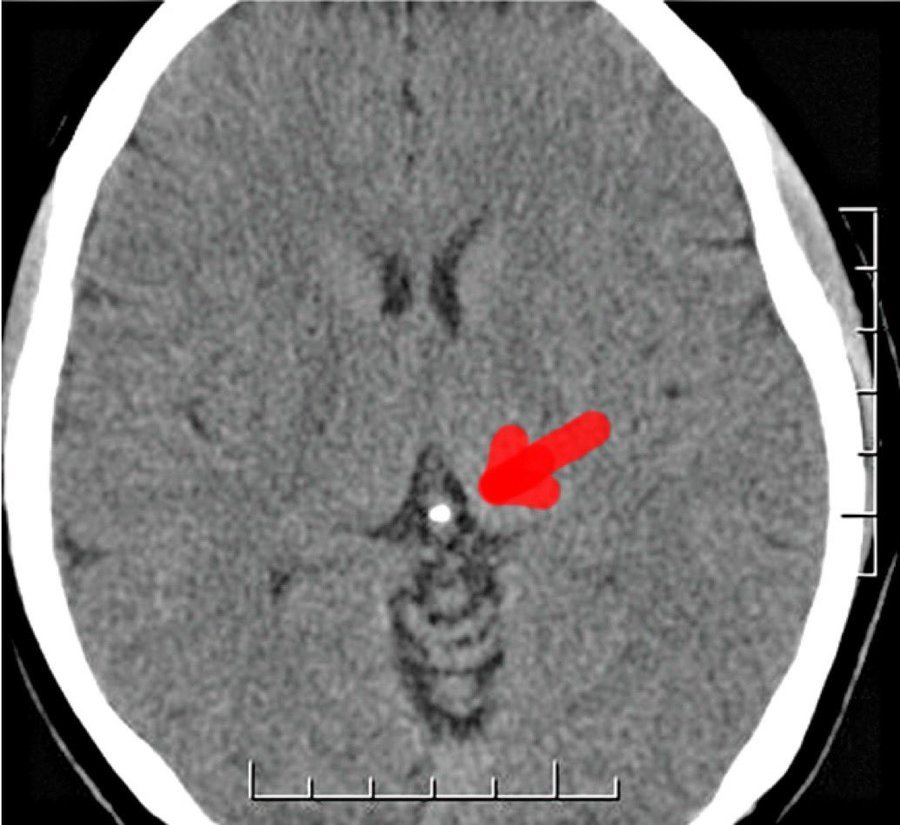
Over 75% of people over that age of 25 have a significantly calcified pineal gland.
In a 2001 study on fluoride distribution, pineal gland fluoride levels were measured in aged cadavers. Researchers found that:
“There was a positive correlation between pineal F[luoride] and pineal Ca[lcium] (r = 0.73, p<0.02) but no correlation between pineal F and bone F. By old age, the pineal gland has readily accumulated F and its F/Ca ratio is higher than bone.”[3]
They concluded that over time through regular fluorideexposure, “the pineal accumulates fluoride and that this accumulation may be implicated in the pathogenesis of pineal calcification. Given the essential role of the pineal gland and melatonin in regulating wake/sleep patterns, creativity, calmness and spiritual health, these findings have profound implications”
The pineal gland is an endocrine gland whose main function is the biosynthesis and secretion of melatonin, a hormone responsible for regulating circadian rhythms, e.g., the sleep/wake cycle. Due to its exceptionally high vascularization and its location outside the blood–brain barrier, the pineal gland may accumulate significant amounts of calcium and fluoride, making it the most fluoride-saturated organ of the human body. Both the calcification and accumulation of fluoride may result in melatonin deficiency.


 American Buddhist Net